Historic Sites
Mapledurham House
The Elizabethan riverside manor that inspired Toad Hall, with the last working watermill on the Thames next door.
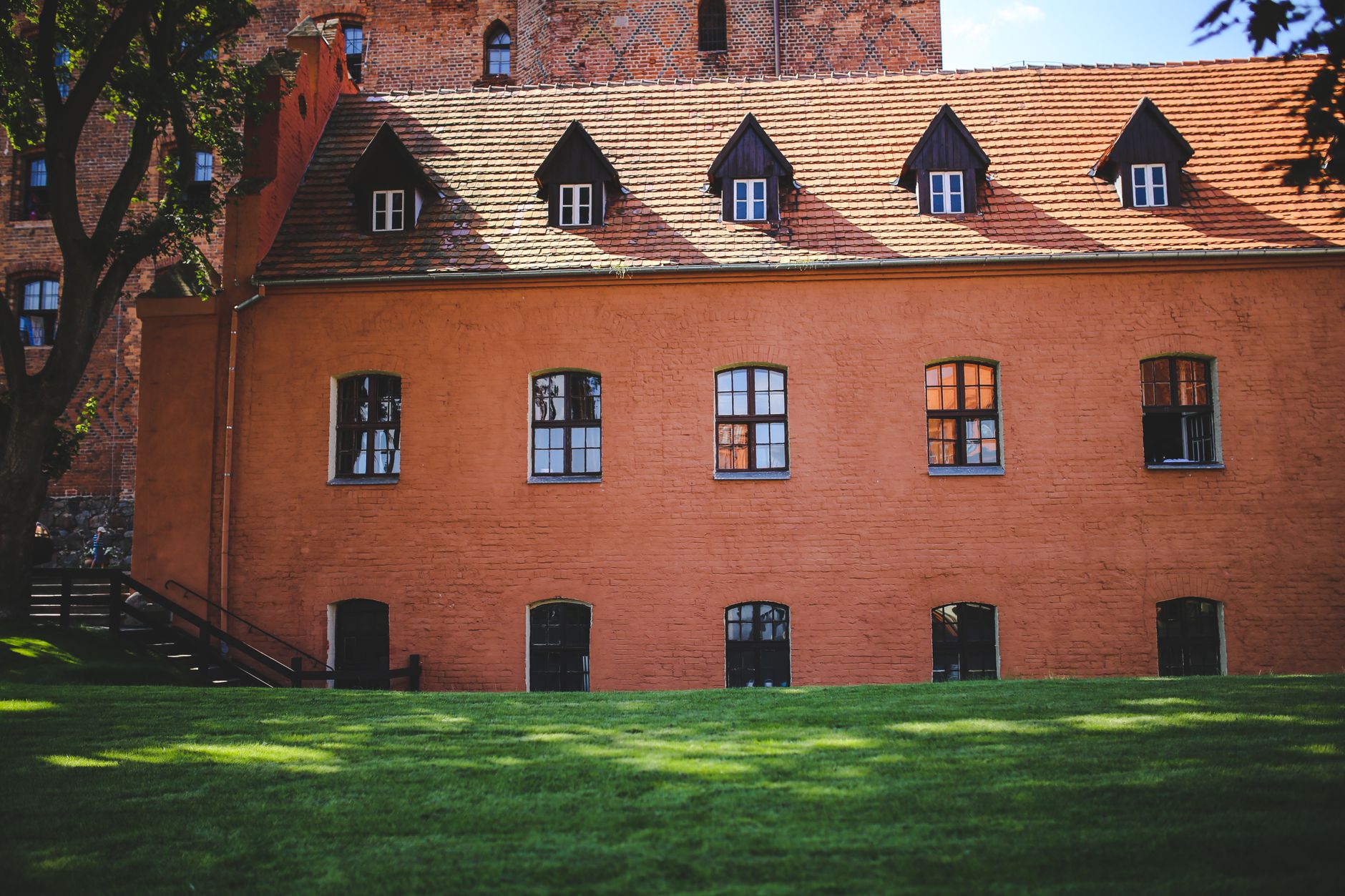
Mapledurham House was built by Sir Richard Blount in the 1580s and has been owned by the same family (the Blounts and later the Eystons) for over 500 years. The red-brick, mullioned Elizabethan facade sits directly on the north bank of the Thames three miles upstream of Reading, and the estate includes a 15th-century watermill — the last mill on the Thames still producing flour by water power. The house appears in the 1976 film of The Eagle Has Landed and is widely cited as Kenneth Grahame's model for Toad Hall in The Wind in the Willows.
The visit is small-scale and personal. Guided tours (about 45 minutes) take you through the Great Hall with its Jacobean staircase, the private chapel (unusual for a recusant Catholic family who never conformed), the library and a series of first-floor rooms hung with family portraits including a Van Dyck. Afterwards you walk five minutes to the watermill, where the miller demonstrates the machinery and sells stoneground flour by the kilo. The village itself is a preserved estate hamlet of almshouses, a picture-perfect church and a single lane down to the lock.
Open only on weekend afternoons from Easter to the end of September. The romantic way to arrive is on the Thames Rivercruise boat from Caversham Promenade on Sunday afternoons (about £15 return, 45 minutes each way). Otherwise drive: it is 20 minutes from central Reading, and the car park is free. Combine with a walk along the Thames Path to Pangbourne (4 miles, riverside all the way) or lunch at The Roebuck in Tilehurst on the return. Cash is still welcome at the flour counter.
Give the mill and the hamlet as much time as the house, because that is where the estate is most itself. A mill on this site is recorded in Domesday; the present timber-framed building is 15th-century, and on a good afternoon the miller opens the sluice, the undershot wheel turns, wooden gearing clatters overhead and wholemeal comes off the stones warm. It is loud, dusty and genuinely worked rather than staged. Outside, the row of almshouses is dated 1629, and St Margaret's church — restored in the 1860s and used as the fictional Norfolk village church in The Eagle Has Landed — keeps the family's side aisle in Catholic ownership inside an Anglican parish church, a quirk you will not find repeated on the Thames. Walk the last 200 metres down to Mapledurham Lock and weir, then come back up the lane: that loop takes 25 minutes and is the best part of the visit for anyone who found the house tour short.
Getting there rewards a decision made before you leave Reading. By car, follow the A4074 Woodcote Road north out of Caversham and turn off at Chazey Heath, then take a mile and a half of single-track lane with passing places — 20 minutes door to door, free parking on the estate, and no realistic alternative if the lane is busy at 14:00. Without a car, take the train from Reading to Tilehurst (5-8 minutes, around £3), walk west along the Thames Path for about 1.5 miles and cross the footbridge at Mapledurham Lock into the village: 35-40 minutes on the flat, and much the cheapest route. The Thames Travel X40 Reading-Oxford bus stops at Chazey Heath on the A4074, leaving you that same lane walk with no pavement. A taxi from Reading station runs to roughly £20 one way. Do not attempt the lane by bike after dark; there is no lighting.
Costs are simple and the tiers matter. £12 buys the guided house tour plus the mill, £7 the mill alone and £5 the grounds only, paid by cash or card at the gate — worth knowing that this is a private family business, so National Trust and English Heritage cards buy you nothing here. Children and concessions pay less; ask at the gate rather than assuming a fixed rate. The Sunday boat from Caversham Promenade is a separate £15 return on top. Flour is £3 for 1.5kg at the mill counter, and the tea room does cream teas and home-made cake for a few pounds on open afternoons. Budget about £25 a head for the full Sunday version with boat, tour and tea, or £12 flat if you drive and skip everything else. If money is tight, take the £5 grounds ticket and spend it on flour instead.
Timing is narrow, so treat the season as the constraint. The gates open only Saturday and Sunday from 14:00 to 17:30 between Easter and the end of September; the mill shuts at 17:00, and the last house tour of the day leaves around 16:30, which makes arriving after 16:15 a gamble. The 14:00 and 15:00 tours are the busiest on warm summer Sundays because the boat lands passengers into them; 16:00 on a Saturday is the quiet slot. May and June are the best months — bluebells in the estate woodland, high water at the mill, long light on the brick. August afternoons can be hot and the tour rooms stuffy; late September gives you the mill working and the river empty of hire boats. From October to Easter the place is shut completely, and the lane in winter is worth driving only for the exterior view. Book nothing, but leave Reading by 13:30.
It suits slow, curious visitors and disappoints anyone in a hurry. There is no interactive gallery, no adventure playground and no audio guide, so teenagers expecting a National Trust-scale day out will be finished in an hour; younger children, on the other hand, love the mill machinery and the ducks at the lock. Wheelchair users can manage the gravel forecourt, the lawn and the ground floor, but the Jacobean staircase rules out the first-floor rooms and the mill's upper level is reached by steep ladder-like steps — phone ahead and ask what can be adapted. It is a poor rainy-afternoon fallback: the walking between house, mill, church and lock is all outdoors and the lane turns muddy. And with a one-hour gap before a train, forget it entirely; the return journey alone eats 40 minutes. Come with three hours or do not come.
Fold in the neighbours and keep expectations honest. The Thames Path west reaches Pangbourne in about 4 miles (90 minutes), with Whitchurch's toll bridge and a small cash charge for cars, and Beale Wildlife Park at Lower Basildon is 15 minutes further by road for anyone travelling with children. Caversham Court Gardens, free and riverside, is a five-minute stop on the drive back into town, and central Reading beds — The Roseate Reading, Premier Inn Reading Central, Malmaison Reading — are all inside 25 minutes. As for the caveats: the Toad Hall claim is contested, and Hardwick House just upstream is pushed just as hard by its own supporters, so take it as atmosphere rather than fact. The mill does not always grind, depending on river flow and who is on duty. Photography indoors is usually not allowed, and the house is a lived-in family home, not a polished museum — which is precisely the point.
Hours & entry
Not free
Sat-Sun 14:00-17:30 (Easter to end September) · House tours on the hour · Watermill open same days 14:00-17:00
What to see
{'what': 'The 15th-century watermill grinding flour by water', 'where': 'Riverside, 200m east of the house through the estate gate'}
{'what': 'The private Catholic chapel with Rococo plasterwork', 'where': 'West wing, first stop on the guided house tour'}
{'what': 'Jacobean oak staircase in the Great Hall', 'where': 'Directly inside the main entrance porch'}
Tips from the ground
Sunday Thames Rivercruise from Caversham (14:00 departure) is by far the nicest arrival — book by phone the week before.
Buy the flour bags at the mill — proper stoneground wholemeal, £3 for 1.5kg, and it keeps for months.
Tours are limited to 20 people; arrive by 14:15 to be sure of the 15:00 slot on busy weekends.
Questions, answered
How much is entry?
£12 house + mill combined, £7 mill only, £5 grounds only. Cash or card at the gate. Children and concessions pay less — the rate is confirmed at the gate rather than published in tiers. Because this is a privately owned family estate, National Trust and English Heritage membership cards get you no discount at all. Extras are the Sunday boat from Caversham at £15 return, flour at £3 for 1.5kg and cream teas for a few pounds. A full Sunday for one adult lands around £25.
Any free days?
No free entry — private family home run as a heritage business. The cheapest way in is the £5 grounds-only ticket, which still gets you the lawn, the riverfront and the walk to the lock. What costs nothing at any time of year is the public lane through the hamlet: the 1629 almshouses, the exterior of St Margaret's church and the footbridge at Mapledurham Lock are all open ground, so a winter walk over from Tilehurst gives you the setting for the price of the train.
How long should I plan?
2-3 hours: 45-min house tour, 30 min at the mill, plus riverside walk and tea. Tours leave on the hour, so the real minimum is 90 minutes if you time your arrival to a departure. Add 10 minutes for the church, 15 for the walk down to the lock and weir, and 20 for the tea room. Arriving by boat fixes the visit at roughly four hours including the two 45-minute crossings, which is the version most people enjoy most.
When is it closed?
Weekdays year-round, and all of October to Easter. Weekend afternoons only in season. That means Saturday and Sunday, 14:00-17:30, with the mill closing at 17:00 and the last house tour leaving around 16:30. Weddings and occasional filming can close parts of the estate at short notice, and bank holiday arrangements vary, so phone before making a special journey. Outside the season there is nothing open — not the mill, not the tea room — although the lane and lock remain walkable.
Do I need to book?
Not for the house — turn up. Book the Thames Rivercruise separately if arriving by boat, ideally by phone the week before, since there is one Sunday departure and it fills in July and August. House tours take a maximum of 20 people and run on the hour, so on a warm Sunday arrive by 14:15 to be confident of the 15:00 slot. Groups of more than about a dozen should ring ahead so the guides can plan the afternoon around you.
How do I get there from Reading?
20-min drive via Purley Rise; free parking on site. Or Sunday boat from Caversham Promenade. Car drivers coming through Caversham follow the A4074 Woodcote Road and turn off at Chazey Heath for a mile and a half of single-track lane. Without a car, the best option is the train to Tilehurst (5-8 minutes, about £3), then the Thames Path west for 1.5 miles and across the footbridge at Mapledurham Lock — 35-40 minutes, flat. The X40 bus stops at Chazey Heath; a taxi from Reading station is about £20.
Doing good is the business: every booking through Stay Reading funds one verified tonne of carbon removal — same room, same price, no markup.
Start your search