Historic Sites
Blenheim Palace
England's only non-royal, non-episcopal palace — Vanbrugh's Baroque masterpiece, birthplace of Winston Churchill, and a UNESCO World Heritage Site.
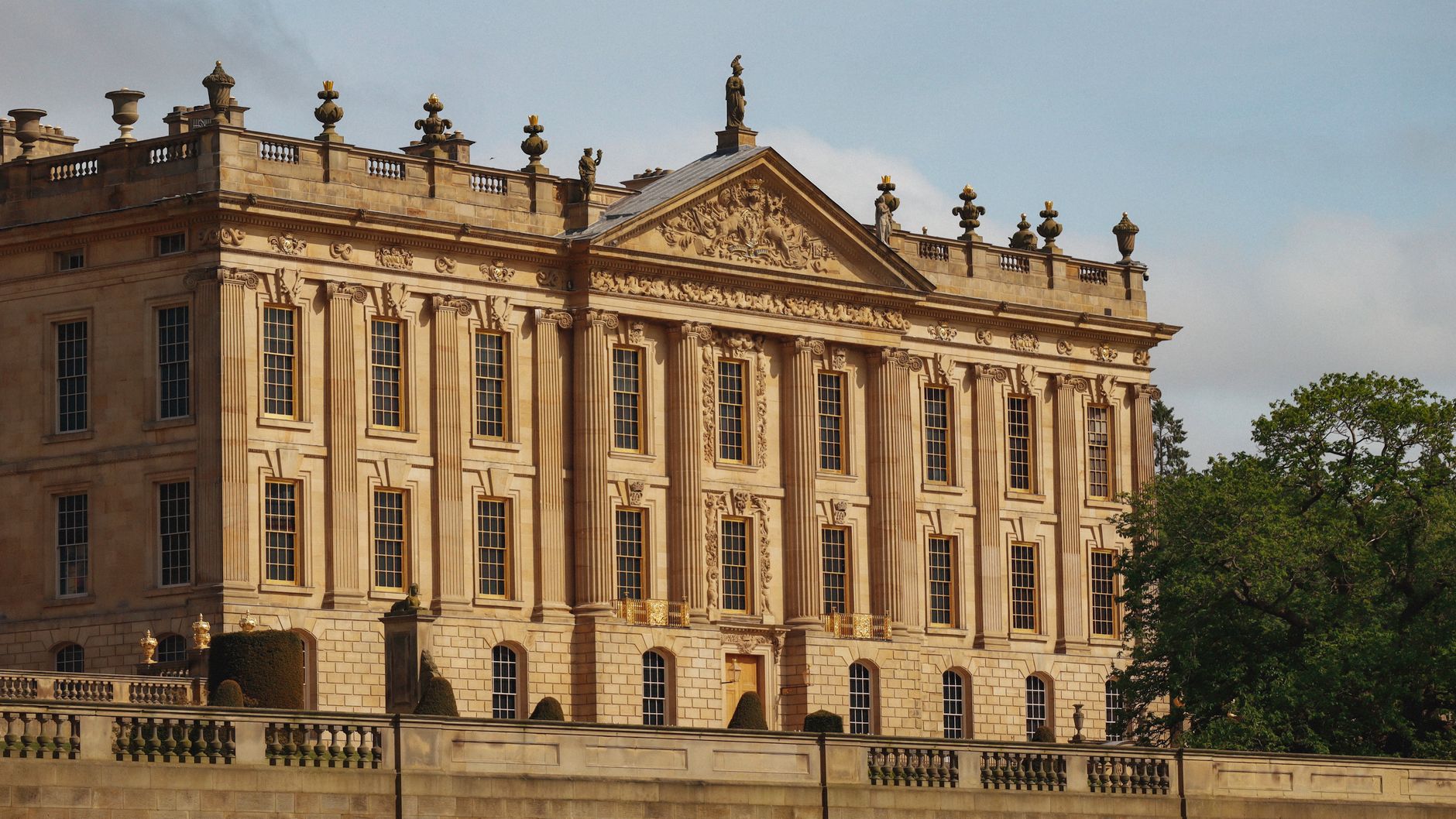
Blenheim was built between 1705 and 1722 by Sir John Vanbrugh and Nicholas Hawksmoor as a gift from Queen Anne and a grateful nation to John Churchill, 1st Duke of Marlborough, for his victory over Louis XIV at the Battle of Blenheim in 1704. It is the only country house in England to hold the title 'palace' without being royal or episcopal, and it is a UNESCO World Heritage Site. Winston Churchill was born here in 1874 in a small ground-floor bedroom — his grandmother went into labour during a ball. The 2,000-acre park was landscaped by Capability Brown in 1764.
The main house route takes you through the Great Hall (67 feet high, ceiling painted by Thornhill), the Saloon with its Louis Laguerre murals, three State Rooms hung with Boucher tapestries, the Long Library (183 feet, one of the longest rooms in England) and the Churchill Exhibition in his birth room. Add the Untold Story tour for a theatrical walk through the servants' quarters. Outside, the Formal Gardens, the Secret Garden, the Rose Garden and Capability Brown's Great Lake reward two more hours. There is a narrow-gauge train, a maze and a pleasure garden for younger visitors.
Blenheim is 40 minutes north of Reading via the A34 — a comfortable day trip. Get there for opening at 10:00 to have the State Rooms nearly to yourself; the coaches arrive at 11:30. Buy the standard palace, park and gardens ticket and ask at the exit to have it stamped for a free annual pass — no upsell, they just do it. Woodstock town outside the gates has good pubs (The Woodstock Arms, The Feathers) for lunch. The Christmas illuminations in the park (late Nov-early Jan) are separately ticketed and worth a second trip.
Beyond the state route, the park is the half of Blenheim most day visitors underuse. The classic approach is through the Woodstock Gate, where Hawksmoor's triumphal arch frames the lake, the Grand Bridge and the palace in one composition — Vanbrugh's bridge was designed to span a marshy stream and only made sense once Brown flooded the valley in the 1760s. Walk the north shore to the Column of Victory at the head of the Grand Avenue, then loop back past the Temple of Diana, where Churchill proposed to Clementine Hozier in 1908, and Rosamund's Well below it. The full lake circuit is roughly three miles on rolled paths and takes ninety minutes at a strolling pace. If you only have an hour outside, do the bridge and the Column and skip the Cascade at the far end.
Driving is the honest answer for logistics. From central Reading it is the M4 west to junction 13, the A34 north past Oxford, then the A44 signposted Woodstock and Evesham — about 45 miles, 40 minutes when the A34 runs clear and an hour and a quarter when the Peartree and Botley junctions clog. The main entrance is Hensington Gate, off the A44 roundabout at the edge of Woodstock; parking is free and included, and the hard-standing car park is a six-minute walk from the East Courtyard. On peak Sundays you are waved onto grass overflow and that becomes fifteen. Without a car, take a GWR train from Reading to Oxford (25-30 minutes, three or four an hour), then the Stagecoach S3 towards Chipping Norton from Magdalen Street or Oxford Parkway, every 20-30 minutes, roughly half an hour to Woodstock. Allow 90 minutes each way and check the last evening S3 before you settle into a pub.
Budget for the day rather than the ticket. Adult palace, park and gardens is £38, a child is £22, under-5s are free and a family of two adults and two children is £102; park and gardens alone is £29, which is the right ticket if you have come for the lake and the Column of Victory rather than the Boucher tapestries. Parking costs nothing and an essential companion accompanying a disabled visitor is admitted free. The best extras are already included: room guides stationed through the state rooms, the narrow-gauge train down to the Pleasure Gardens, the Marlborough Maze, the butterfly house and the adventure playground. The paid add-ons are the Untold Story and the guided tour of the private apartments, which only runs when the family is not in residence. Lunch is the sting — reckon £12 a head for a hot dish at the Water Terrace Café, or bring a picnic, because the park invites one.
The park opens at 9:00, a full hour before the palace, and that hour is the best of the day: walk out to the Grand Bridge while the water is still, then be at the palace door for 10:00. The state rooms stay calm until about 11:30, are jammed from midday to 15:00, and clear again after 15:30 — arrive late morning and you should simply invert the plan and take the gardens first. April to June is the season, with the Rose Garden at its peak in mid-June and the Duchêne Water Terraces freshly planted. July and August bring the coaches and the concert and flower-show crowds; mid-September the International Horse Trials take over the park and normal access shifts. October is underrated for colour along the Grand Avenue. November and early December the palace opens Wednesday to Sunday only, before closing entirely from early January to mid-February.
Families do best running the day backwards from the children's patience: state rooms first while attention holds, then the train to the Pleasure Gardens, where the maze, the butterfly house and the playground absorb two hours without complaint. Under-eights will not last the Long Library. Teenagers generally prefer the servant-level theatre of the Untold Story to the gilding upstairs. Wheelchair users get a lift to the piano nobile and a step-free route through the state rooms, Blue Badge bays near the East Courtyard and a small number of mobility scooters that must be reserved in advance; the formal gardens are gravel and the park paths are rolled grass, so a companion helps. Dogs are welcome on leads in the park but not in the palace or formal gardens. Anyone with a one-hour gap before a train should not attempt this at all — the shortest honest visit runs three and a half hours.
Woodstock Gate opens straight onto the town, three minutes from Market Street, so folding the town in costs nothing but time. The Oxfordshire Museum in Fletcher's House on Park Street is free, has a walled garden café and a Roman mosaic, and takes forty minutes. The Feathers and The Woodstock Arms are the lunch names above; The Star Inn on Market Place is the fallback when both are full. Two miles south at Bladon, the churchyard of St Martin's holds the graves of Winston and Clementine Churchill — free to visit, five minutes by car, and the natural coda to the birth-room exhibition. Beyond that, Oxford is eight miles back down the A44 for a late afternoon at the Ashmolean, and Charlbury and Chipping Norton put you into the Cotswolds inside twenty minutes. Staying near Reading, split it: Blenheim and Bladon one day, Oxford the next.
Three things here are oversold. The Churchill content is a birth room and a compact exhibition, not a museum — if that is your sole reason for coming, the Churchill War Rooms in London serve you far better and Blenheim will feel thin. Second, the state rooms are a one-way route at a fixed pace; on a wet August Tuesday you shuffle, and there is no looping back for a second look at the Saloon. Third, the £38 assumes you use the park, so steady rain halves the value of the ticket — that is a day to postpone rather than a day to downgrade to the £29 option, because the outdoor half is exactly what suffers. Add that rooms occasionally close at short notice for weddings and corporate events, and that Christmas at Blenheim sells out weeks ahead and is priced separately from the annual pass, and you have the full picture.
Hours & entry
Free with 1-year annual pass upgrade (ask at exit)
Daily 10:00-17:30 (mid-Feb to Oct) · Wed-Sun 10:00-16:45 (Nov-early Dec) · Park daily 9:00-18:00
What to see
{'what': "Winston Churchill's birth room and exhibition", 'where': 'Ground floor east wing, near the private apartments'}
{'what': 'The Long Library, 183 feet of stucco and gilding', 'where': 'West end of the piano nobile'}
{'what': "Capability Brown's Grand Bridge over the lake", 'where': 'North of the palace, on the drive from the Woodstock gate'}
Tips from the ground
Always ask for the annual pass stamp — same price, gives you 365 days of free re-entry.
The Woodstock Gate has no queue at 09:55; the main Hensington Gate queue tops 20 minutes on weekends.
The Untold Story tour ticket is extra but the servants' route explains the house better than the main state route.
Questions, answered
How much is a ticket?
£38 adult palace+park+gardens, £22 child, £102 family. Park-and-gardens only £29. Under-5s go free, an essential companion accompanying a disabled visitor is admitted free, and parking costs nothing on top. Booking a timed slot online is the same price as the gate and saves the wait at Hensington. The paid extras once you are inside are the Untold Story, the private-apartments tour and afternoon tea in the Orangery, which needs reserving; a café main runs about £12.
Any free entry?
Not on day one, but ask for the annual-pass conversion at the exit — same ticket, 12 months of free returns. Ask before you walk out of the gate, because it cannot be added afterwards. There is no free-entry day and no free evening opening. What the pass genuinely buys is the park: 2,000 acres, the lake circuit, the Column of Victory, the formal gardens and the state rooms whenever you want them. It does not cover Christmas at Blenheim, concert nights or the September horse trials, all ticketed separately.
How long do I need?
Full day. State Rooms 2 hours, park and gardens 3+ hours, plus lunch. Broken down: about 90 minutes for the main state route with the Churchill Exhibition, 30 minutes for the Untold Story, an hour for the Water Terraces, Secret Garden and Rose Garden, and 90 minutes for the lake circuit out to the Grand Bridge and Column of Victory. Add 45 minutes for lunch. The shortest visit that still feels worth £38 is around three and a half hours.
Closed days?
Palace closed Mon and Tue in November and early December. Full closure early January to mid-February. The park itself stays open daily 9:00-18:00 through most of that winter gap, so walkers and annual-pass holders still get the lake and the Grand Avenue. Individual state rooms occasionally shut at short notice for weddings and corporate hire, and access across the park changes during the International Horse Trials in mid-September — check the day's notices online before driving up from Reading.
Booking needed?
Timed entry online is strongly encouraged in summer and essential for Christmas at Blenheim. For a July or August weekend, book a few days ahead; for the Christmas illuminated trail, three to six weeks is realistic and popular evening slots go first. Annual-pass holders should still reserve a slot at peak. Afternoon tea in the Orangery and the guided tour of the private apartments both need separate reservations, and the private apartments only open when the family is away.
How do I reach it from Reading?
40-min drive via A34 north to Oxford, then A44 to Woodstock. Or train to Oxford Parkway + S3 bus (about 90 minutes total). The Stagecoach S3 towards Chipping Norton runs every 20-30 minutes and takes roughly half an hour from Oxford to Woodstock, stopping by the gates. Hanborough station on the Oxford-Worcester line is the other option, two miles out and a 35-minute walk or a short taxi. Driving, park free at Hensington Gate; check the last evening S3 if you are on the bus.
Doing good is the business: every booking through Stay Reading funds one verified tonne of carbon removal — same room, same price, no markup.
Start your search