Stays in St Austell
St Austell is a town in Cornwall, England, and a practical base for exploring the south coast. It grew around the china clay industry, which shaped the landscape with white pyramids visible from the surrounding hills. The town centre has a mix of shops and services, while the outskirts spread toward…
Every stay in St Austell
Recent rates first, then the best-reviewed rooms.


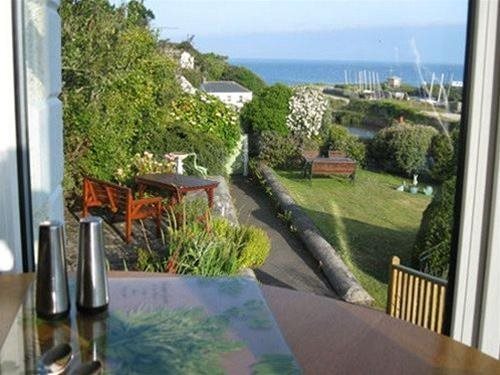
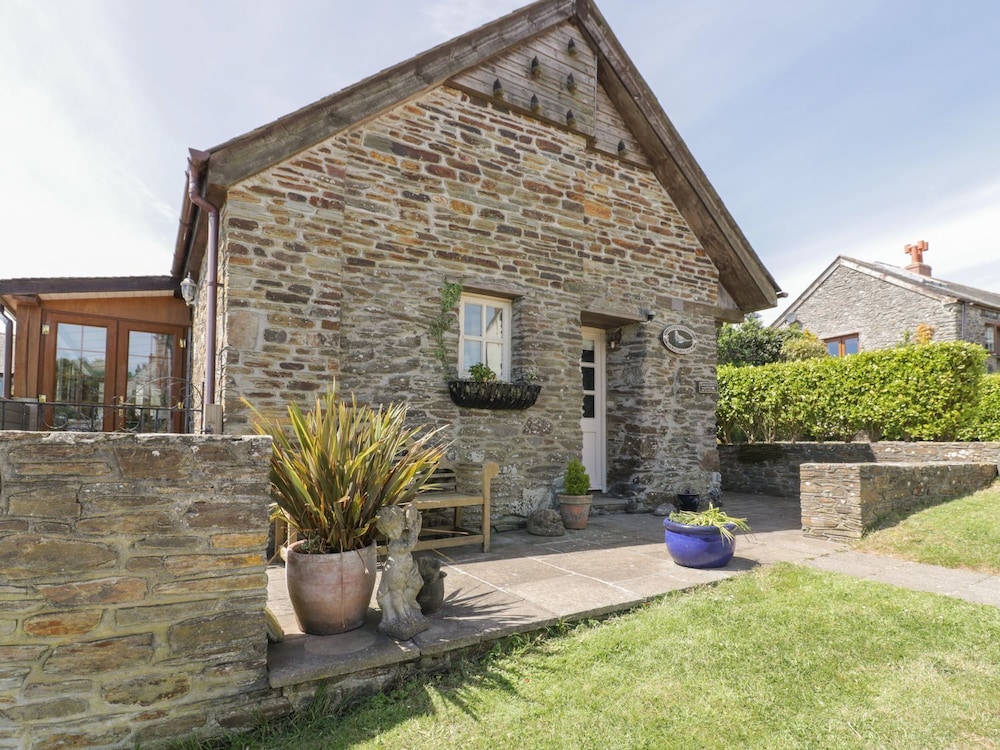
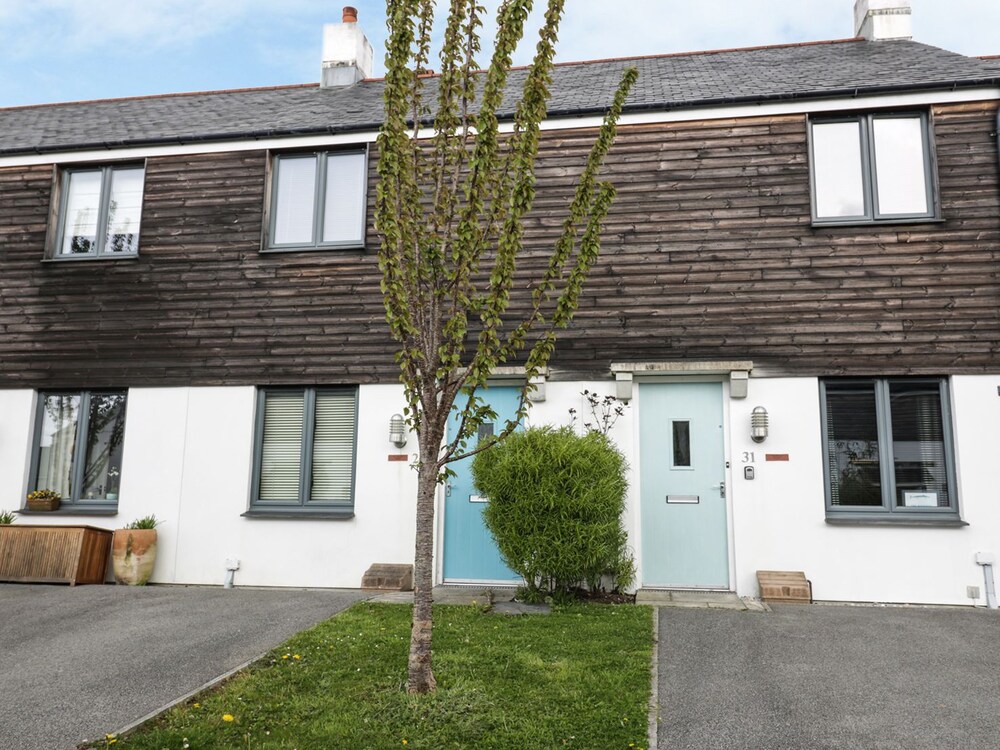
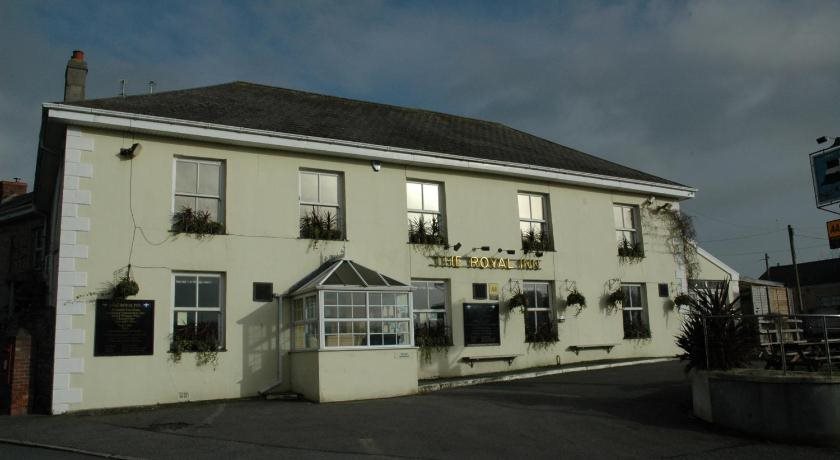



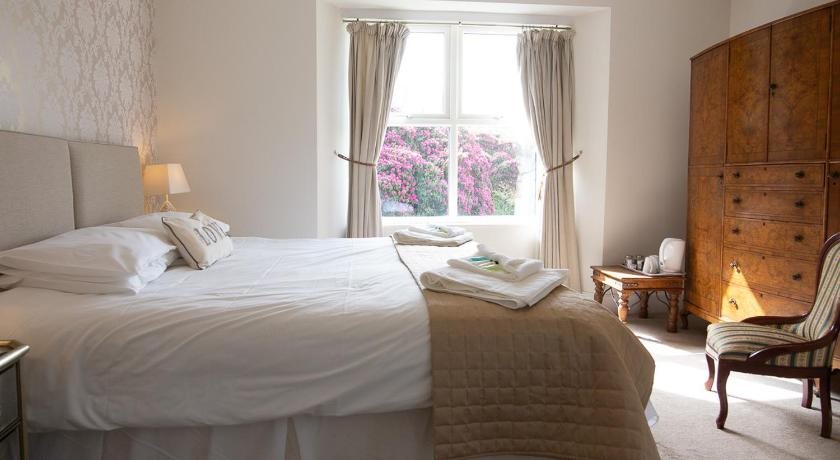
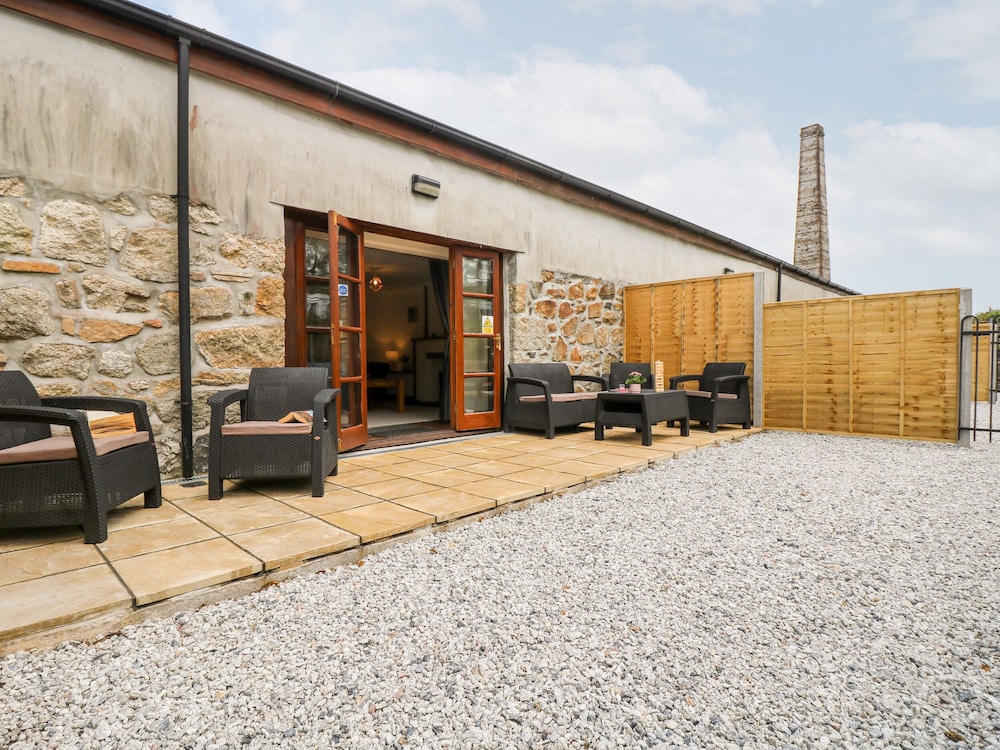
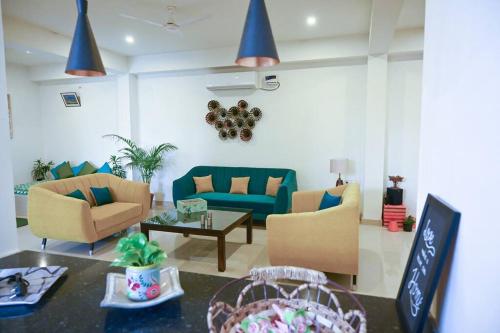
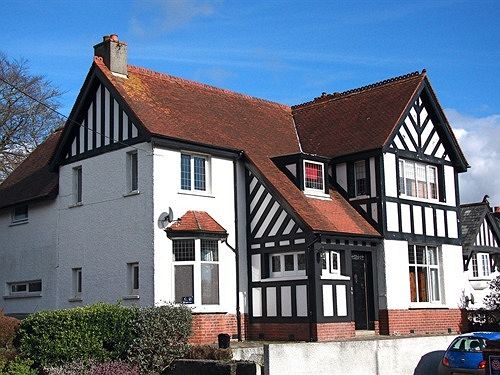
Search live rates in St Austell
Pick your dates — every St Austell room with a live price, in one list.
Free cancellation on most rooms · 1 t CO₂ removed per booking, at no extra cost.
About St Austell
Nearby, the Eden Project draws visitors with its large biomes housing tropical and Mediterranean plants. The Lost Gardens of Heligan, a restored Victorian garden, is also close. The coastline around St Austell Bay includes fishing villages, beaches and the South West Coast Path, offering walks with sea views.
With a range of hotels, guest houses and inns, St Austell suits travellers who want to see Cornwall without staying in a larger city. It is on the main railway line to Penzance and has bus links to nearby towns and attractions.
Where to stay in St Austell
St Austell town centre. Convenient for the railway station, shops and bus connections, with several hotels and guest houses within walking distance.
Charlestown. A coastal village with a Georgian harbour and tall ships, about a mile from St Austell, offering a quieter stay by the sea.
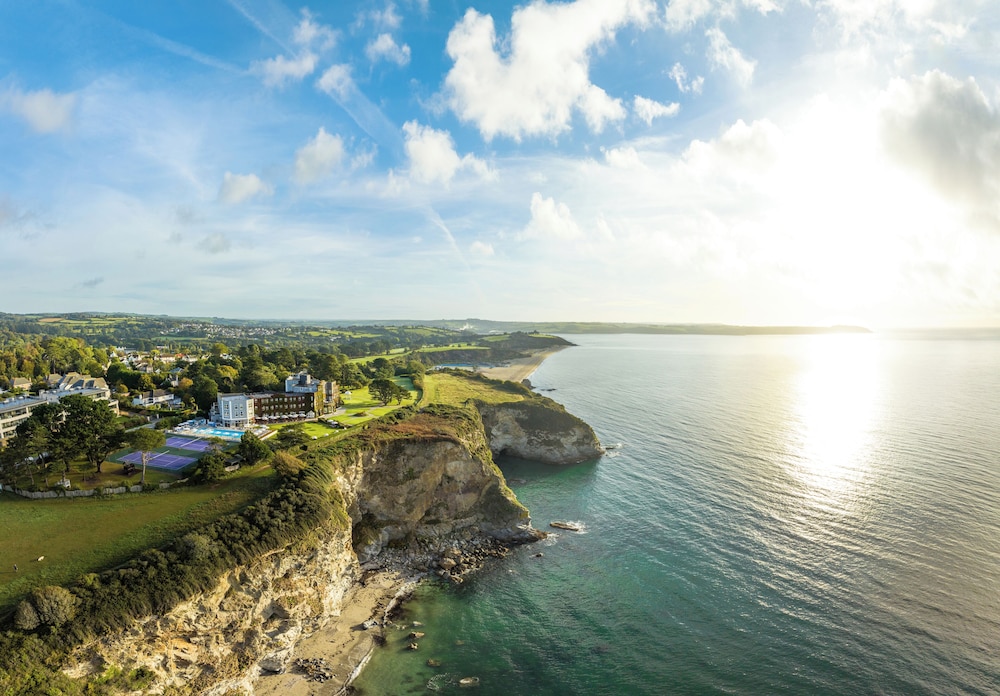
Carlyon Bay. A seaside area east of St Austell with a beach and cliff walks, home to larger hotels and holiday accommodation.
Pentewan. A village with a sand and shingle beach and a coastal path to Mevagissey, popular for a relaxed base south of St Austell.
Getting there and around
St Austell has a railway station on the Cornish Main Line, with direct trains from London Paddington, Plymouth and Penzance. By road, the A390 connects the town to Truro and Liskeard, and the A391 leads to the A30. Newquay Airport is about 20 miles away. Local buses serve nearby towns, villages and the Eden Project. The town centre is compact and walkable, but a car or bus is useful for reaching beaches, gardens and the coast path.
When to go
Summer brings the warmest weather and the most visitors, especially to the coast and gardens. Spring and autumn are quieter, with mild temperatures and fewer crowds. Winter can be wet and windy, and some attractions reduce their hours. If you plan to walk the South West Coast Path or visit the Eden Project, late spring and early autumn often offer a good balance of weather and space.
Questions, answered
What is St Austell known for?
St Austell is known for its china clay industry and as a gateway to the Eden Project and the Lost Gardens of Heligan. It is also close to the south Cornwall coast and the South West Coast Path.
How do I get to St Austell?
St Austell has a railway station on the Cornish Main Line, with direct trains from London Paddington, Plymouth and Penzance. By road, the A390 and A391 connect the town to the A30 and nearby towns.
What is there to do near St Austell?
Nearby attractions include the Eden Project, the Lost Gardens of Heligan, Charlestown harbour and the beaches and coastal paths around St Austell Bay. The town itself has a range of shops and services.
Where should I stay in St Austell?
Options include the town centre for transport links, Charlestown for a harbour setting, Carlyon Bay for a seaside stay, and Pentewan for a village base near the coast path. The area has hotels, guest houses and inns.
Do I need a car in St Austell?
A car is helpful for reaching the Eden Project, gardens and some beaches, but the town centre is walkable and buses serve many local attractions. Trains connect to other towns in Cornwall.
When is the best time to visit St Austell?
Summer is warmest and busiest, while spring and autumn are quieter with mild weather. Winter can be wet and windy, and some attractions have reduced hours.