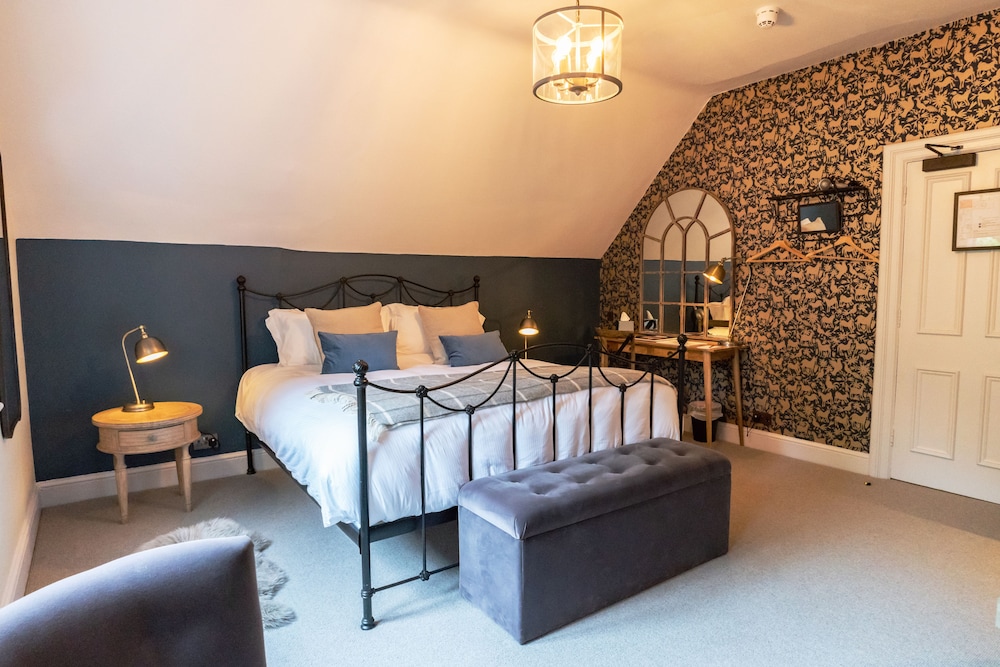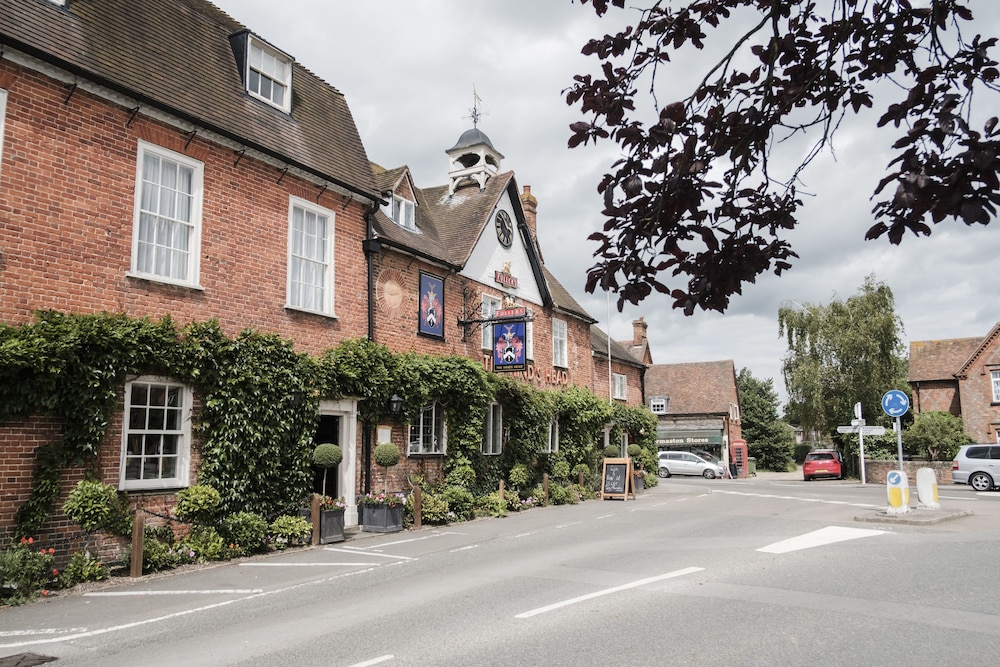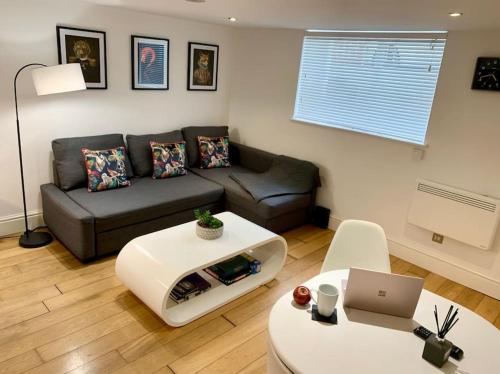
Period Apartment for 3 Near Uni Hospital and Town Centre Parking
Looking for a straightforward base in Reading? Period Apartment for 3 Near Uni Hospital and Town Centre Parking in Reading Town Centre covers the essentials and sits near Basildon Park.
From here, Reading’s main attractions — including Basildon Park — are an easy walk or short ride away, so you spend less time in transit and more time exploring.
Because pricing is set live by the hotel and its suppliers, the figure shown here is a recent snapshot; check the current rate for your exact dates before booking.
Key facts
What’s included
Around Reading Town Centre
Where to stay in Reading: which area suits which visitor
Reading Town Centre (RG1) around Friar Street, Broad Street and the station is the default choice for a first visit: you are walking distance from the Oracle, the Abbey Ruins and Forbury Gardens, and trains to Paddington take 22-27 minutes. Expect the highest nightly rates here, especially midweek when the town fills with business travellers heading to Thames Valley Park and Green Park. Caversham, just over Caversham Bridge, is quieter, sits on the Thames, and usually costs £20-40 less per night for a similar standard.
For business trips, the hotels clustered around Green Park (south of the M4 J11) and Winnersh Triangle suit anyone driving in — Voco and Crowne Plaza sit on the doorstep of the offices, and parking is free or cheap. Earley, Lower Earley and Woodley are residential and best if you have a car and want value; Tilehurst and Southcote are cheaper still but poorly connected without one. For day trips, Henley-on-Thames, Sonning, Pangbourne and Marlow are prettier bases if you have hired a car; Windsor and Oxford are 25-40 minutes by train and worth a night each if the itinerary allows.
Best time to visit Reading: month-by-month prices
Reading has two clear price patterns: business demand Monday to Thursday, and event spikes in summer. January and February are the cheapest months — town centre 4-star rooms often drop to £70-90 — but the weather is grey and the Thames Path is muddy. March to May is a good balance, with the Reading Half Marathon (usually early April) being the main weekend to avoid if you want value.
June and July are steady and warm; the Henley Royal Regatta in the first week of July doubles rates in Henley itself and pushes overflow demand into Reading and Twyford. August is the trap: the Reading Festival at Richfield Avenue over the late August bank holiday sells out every hotel within a 10-mile radius, and rates triple. September and October are the quiet win — mild, dry-ish, and business travel is the only pressure on midweek rates. November and December are cheap except for the two weeks of the Christmas market in Forbury Gardens.
Getting around Reading: car, train and bus
You do not need a car if you are staying in the town centre and using Reading as a base for London, Oxford (23 minutes by train), Windsor (change at Slough, 30 minutes) or Henley (change at Twyford, 25 minutes). Reading station is one of the busiest interchanges outside London, with direct GWR services to Paddington, Bristol, Cardiff, and the Elizabeth line running east through Slough and Ealing. Reading Buses covers Caversham, Tilehurst, Earley and Woodley from the station on frequent routes — the purple 17 to Tilehurst and the pink 22/23 to Lower Earley run every 10 minutes in the day.
You do need a car for Pangbourne, Sonning, Marlow, Ascot, Newbury and the villages around the Chilterns; buses exist but run hourly at best. The M4 (J10, J11, J12) rings the south of town, the A33 links the centre to Basingstoke, and the A4 runs east-west through Maidenhead to Newbury. Parking in the town centre is £3-5 an hour at the Oracle or Queen’s Road; most hotels outside the centre include parking, most inside it charge £15-25 per night.