Stays in Portsmouth
Portsmouth is a historic port city on the south coast of England, built on Portsea Island and known for its long naval heritage. It is home to the Royal Navy's base and the Historic Dockyard, where HMS Victory and the Mary Rose are on display. The city's waterfront has been a working harbour for…
Every stay in Portsmouth
Recent rates first, then the best-reviewed rooms.









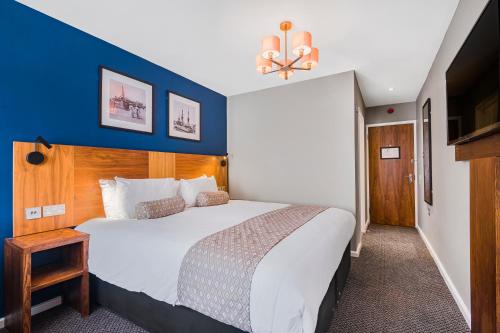
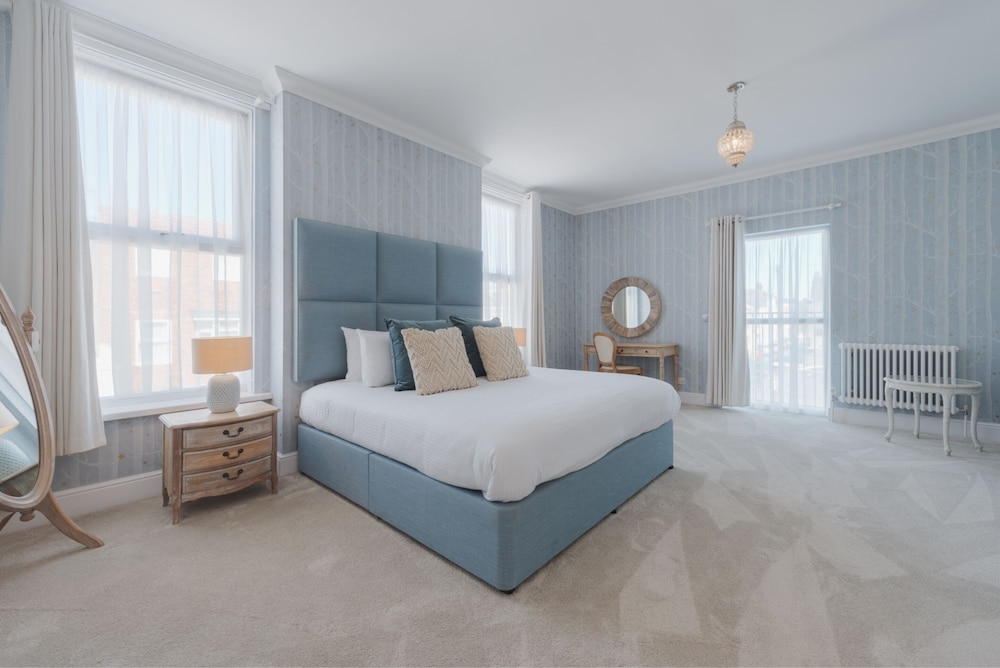
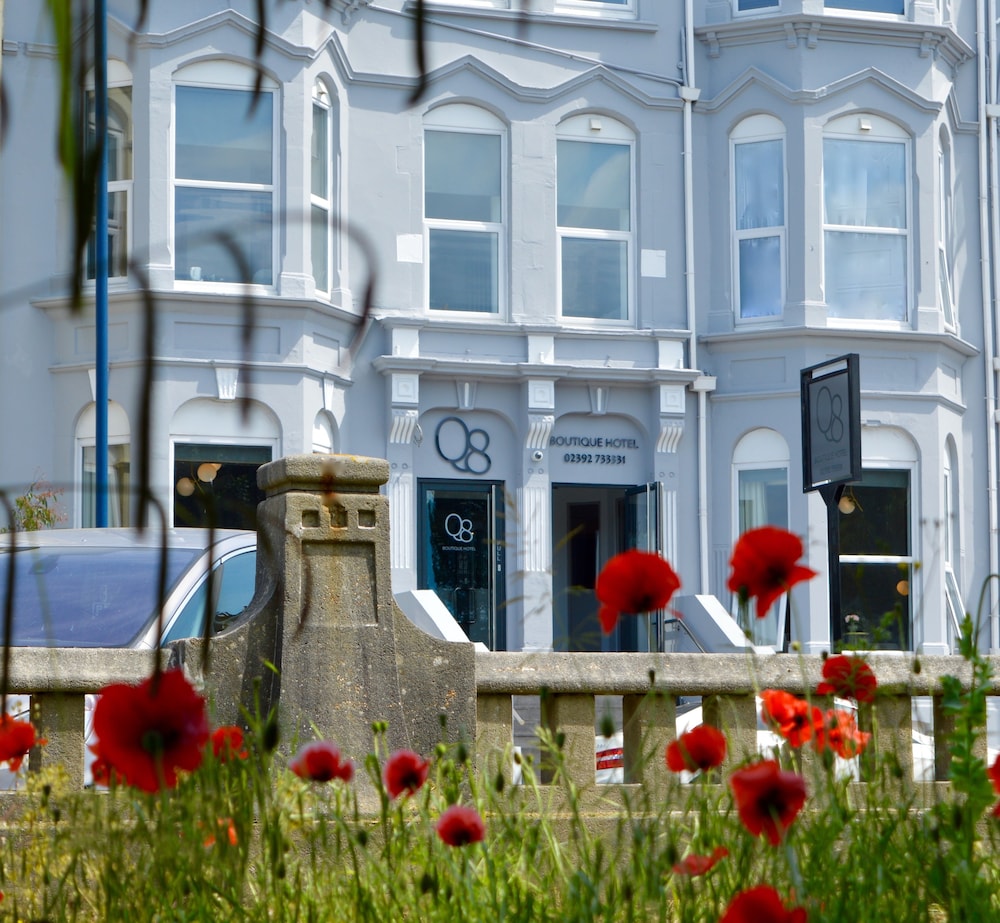
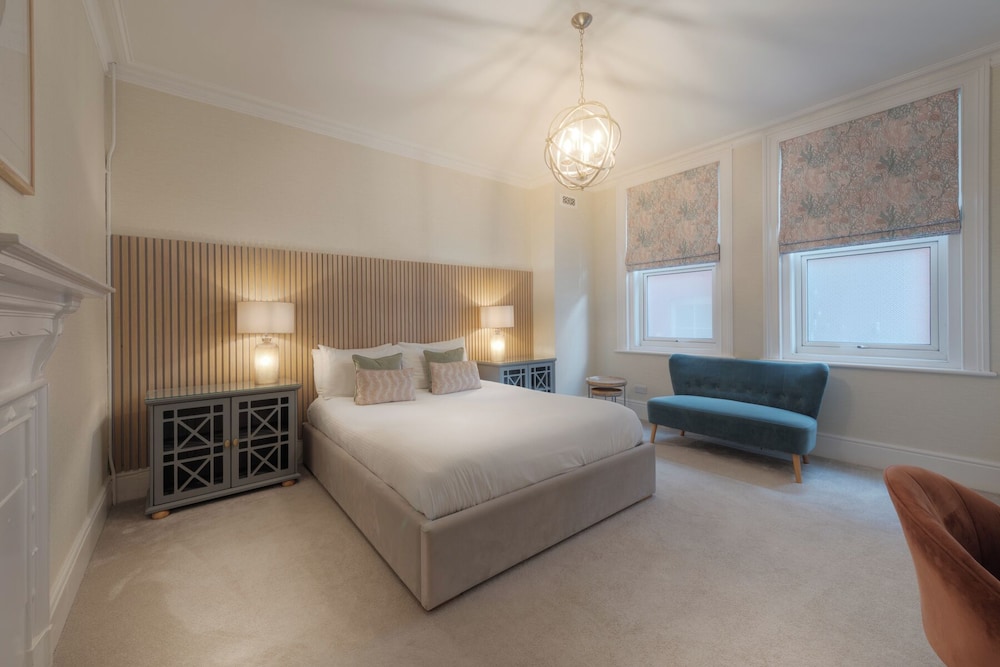

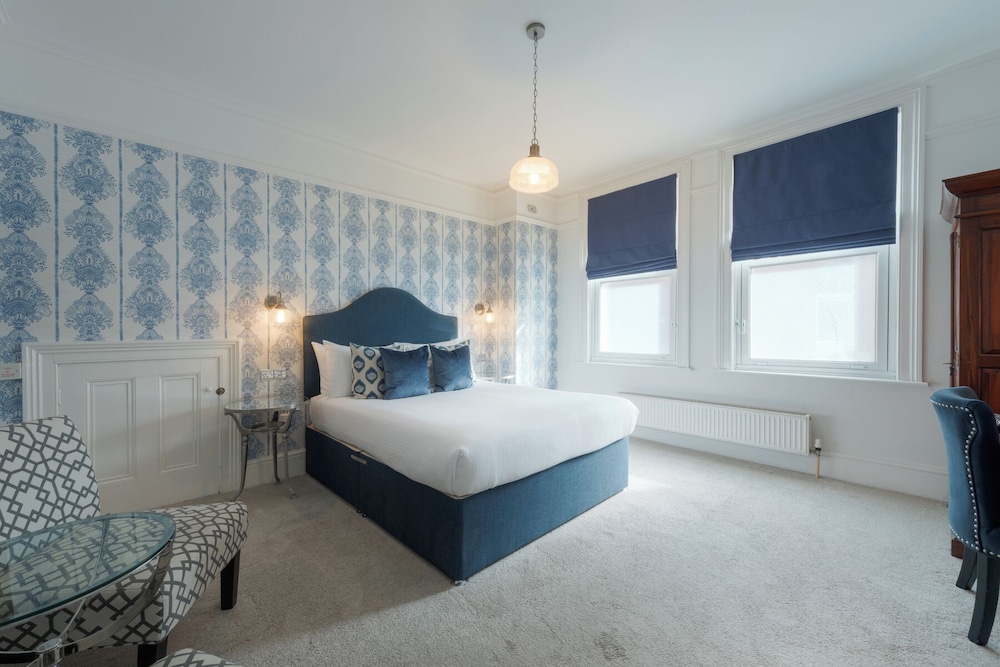
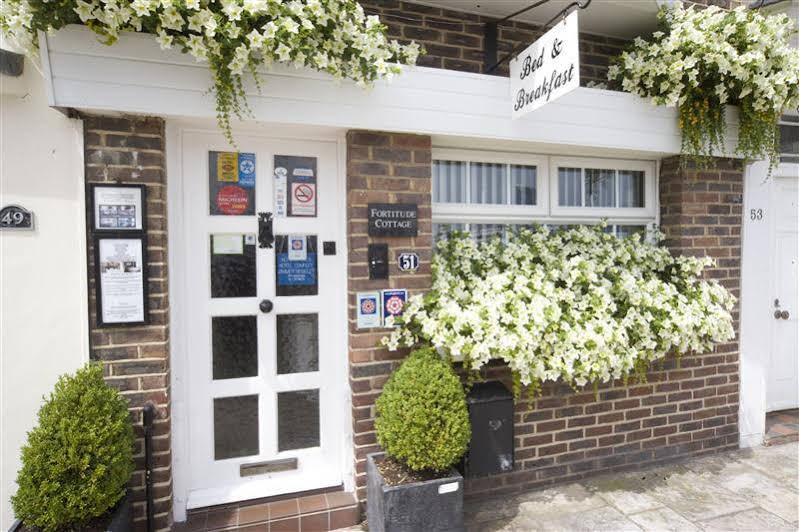
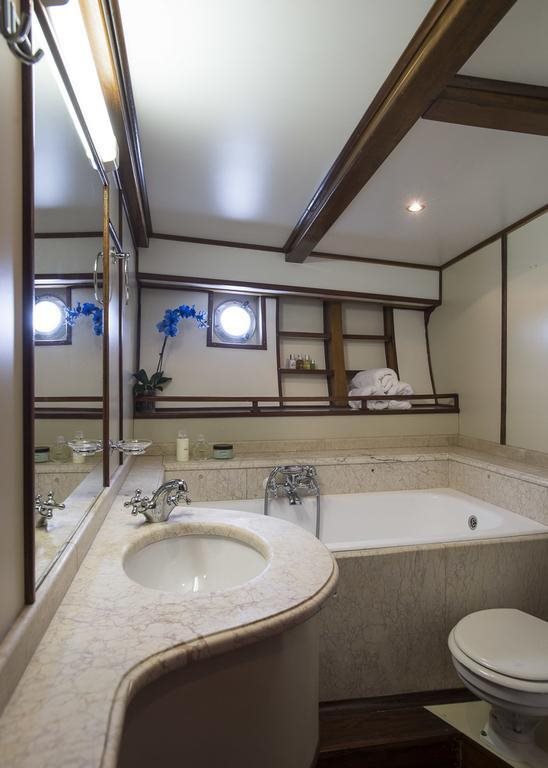
Search live rates in Portsmouth
Pick your dates — every Portsmouth room with a live price, in one list.
Free cancellation on most rooms · 1 t CO₂ removed per booking, at no extra cost.
About Portsmouth
Beyond its maritime history, Portsmouth offers a mix of museums, shopping, and waterfront dining. The seafront at Southsea has a long promenade, a pier, and views across the Solent to the Isle of Wight. The city is compact and relatively flat, making it easy to explore on foot or by bicycle. With frequent trains to London and ferry links to France and the Isle of Wight, Portsmouth is both a destination and a gateway.
Where to stay in Portsmouth
Old Portsmouth. The historic heart of the city, close to the cathedral and the waterfront, with several hotels and guesthouses.
Southsea. A residential and seaside area with a promenade, pier, and a range of independent shops and cafes.
Gunwharf Quays. A waterfront development with outlet shopping, restaurants, and the Spinnaker Tower, plus hotels on site.
Port Solent. A marina complex to the north of the city with waterside dining and easy access to the A27 and M27.
Getting there and around
Portsmouth is accessible by road via the M27 and A3(M), with regular train services from London Waterloo, Brighton, and Southampton. The city has several train stations, including Portsmouth Harbour, Portsmouth & Southsea, and Fratton. Ferries run from Portsmouth Harbour to the Isle of Wight and from nearby Portsmouth International Port to France and Spain. Within the city, local buses and trains connect the main areas, and taxis are readily available. Driving in the centre can be congested, and parking is limited, so public transport is often convenient.
When to go
The best time to visit Portsmouth is from late spring to early autumn, when the weather is mild and many outdoor attractions and events take place. Summer brings warmer temperatures and longer days, ideal for exploring the seafront and harbour. Winter can be cold and wet, but indoor attractions like the Historic Dockyard and museums remain open. The city hosts several festivals and events throughout the year, including the Portsmouth International Kite Festival in summer.
Questions, answered
What is Portsmouth known for?
Portsmouth is known for its naval history, the Historic Dockyard, and the Spinnaker Tower. It is also the birthplace of Charles Dickens.
How do I get to Portsmouth from London?
Direct trains run from London Waterloo to Portsmouth Harbour and Portsmouth & Southsea, taking around 1.5 to 2 hours. By road, the M3 and A3 connect London to the M27, which leads into Portsmouth.
What are the main areas to stay in Portsmouth?
Popular areas include Old Portsmouth, Southsea, Gunwharf Quays, and Port Solent. Each offers different atmospheres and access to attractions.
Is Portsmouth walkable?
Yes, central Portsmouth is compact and mostly flat, so many attractions are within walking distance. Local buses and trains are available for longer journeys.
What is the best time to visit Portsmouth?
Late spring to early autumn is ideal for mild weather and outdoor activities. Summer is the busiest season with the most events.
Are there ferries from Portsmouth?
Yes, ferries run from Portsmouth Harbour to the Isle of Wight, and from Portsmouth International Port to destinations in France and Spain.