Stays in Plymouth
Plymouth is a port city on the south coast of Devon, England, situated at the mouth of the River Plym. It has a long maritime history, including the departure of the Mayflower in 1620 and its role as a Royal Navy base at Devonport. The city centre was heavily rebuilt after World War II, but historic…
Every stay in Plymouth
Recent rates first, then the best-reviewed rooms.

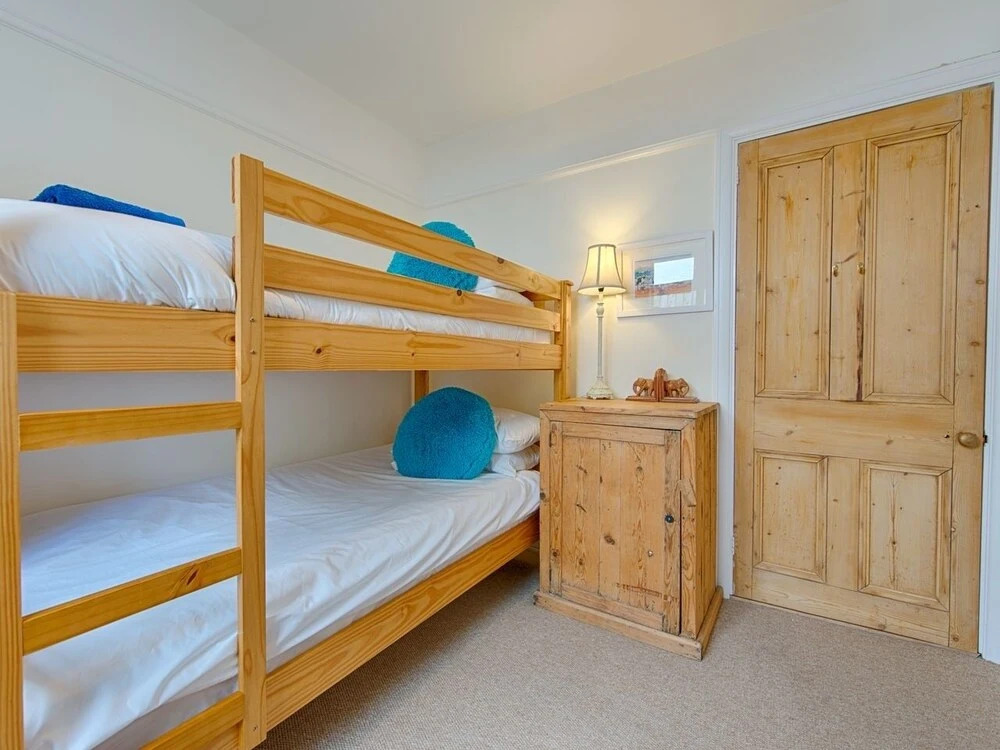
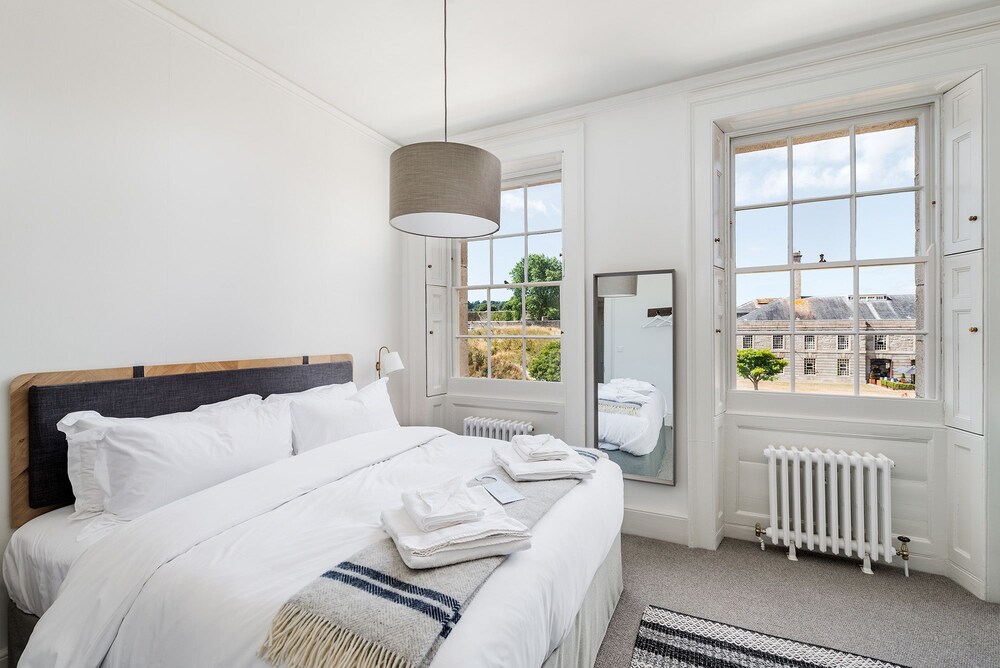
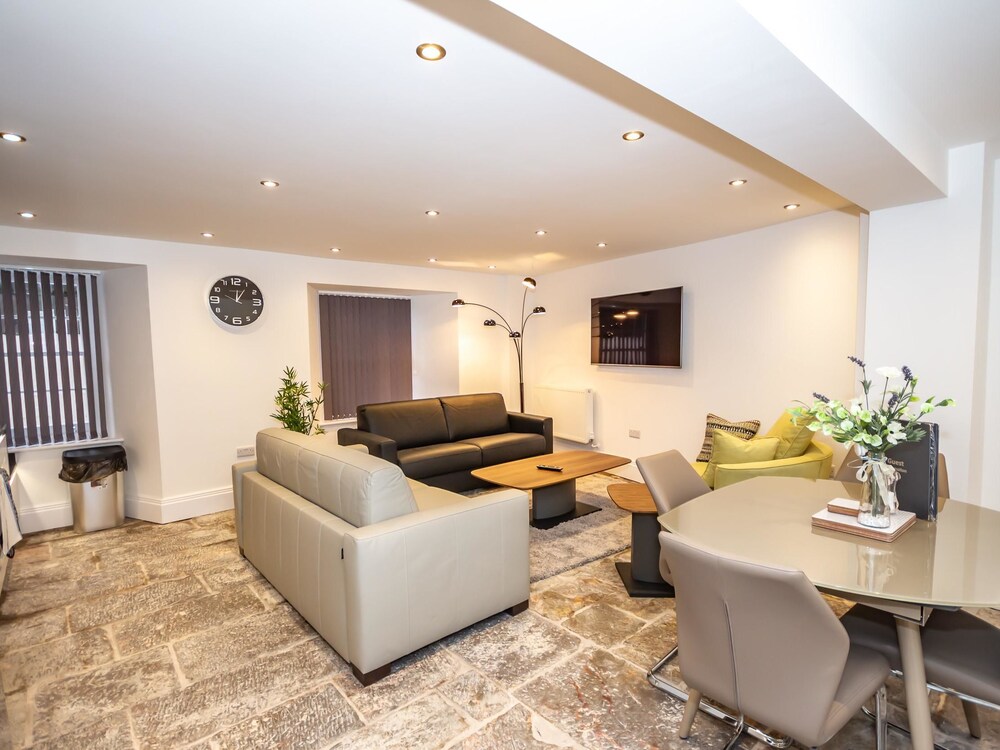
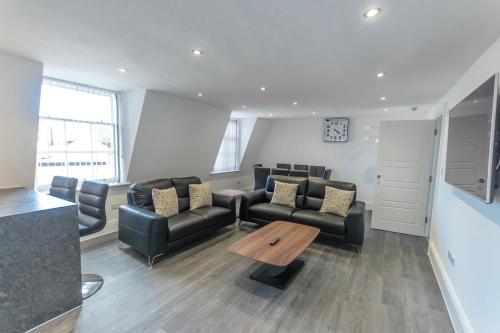

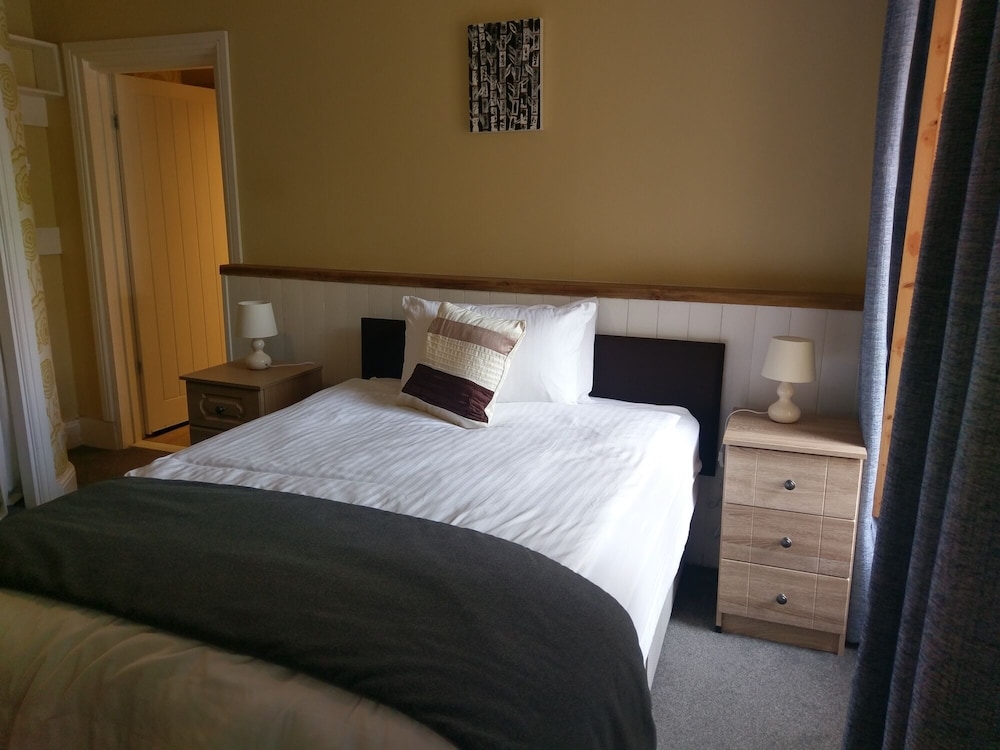
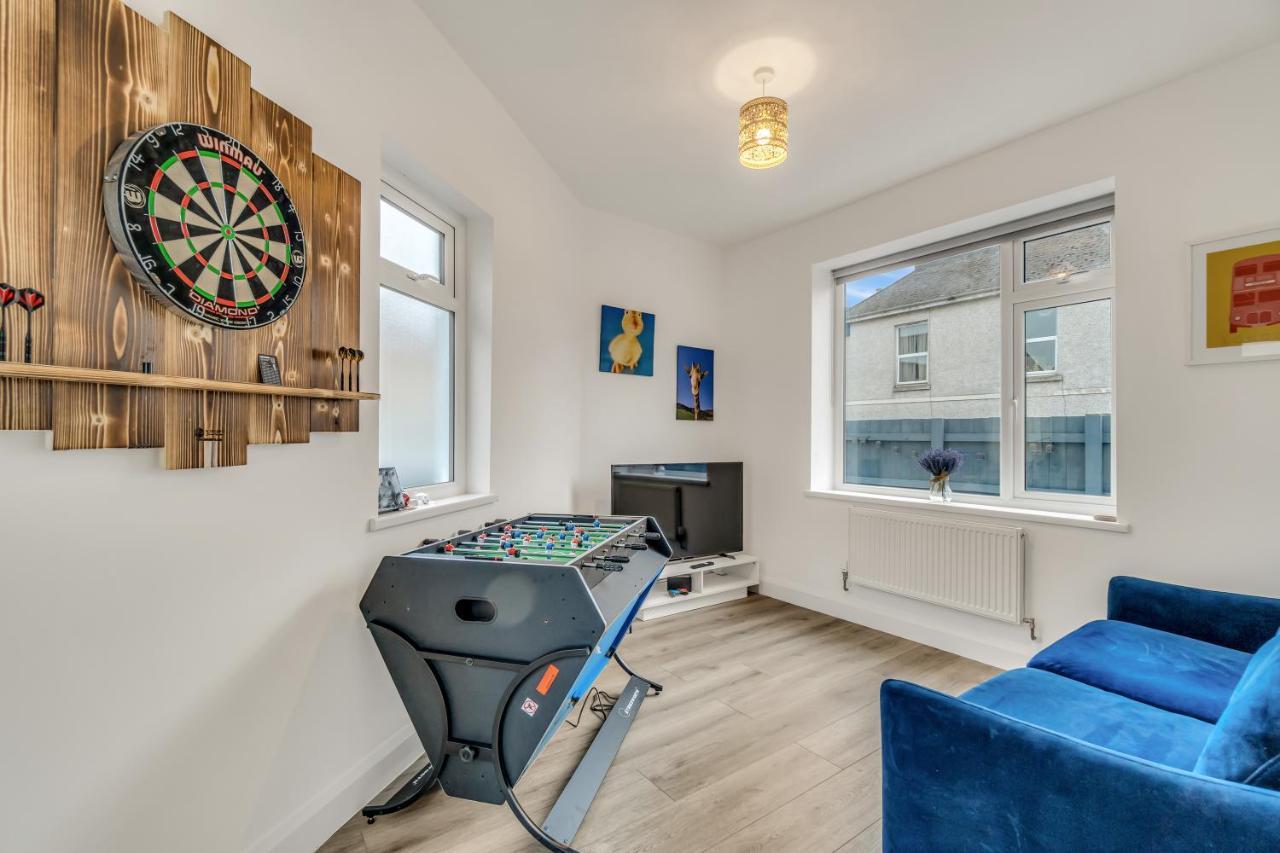
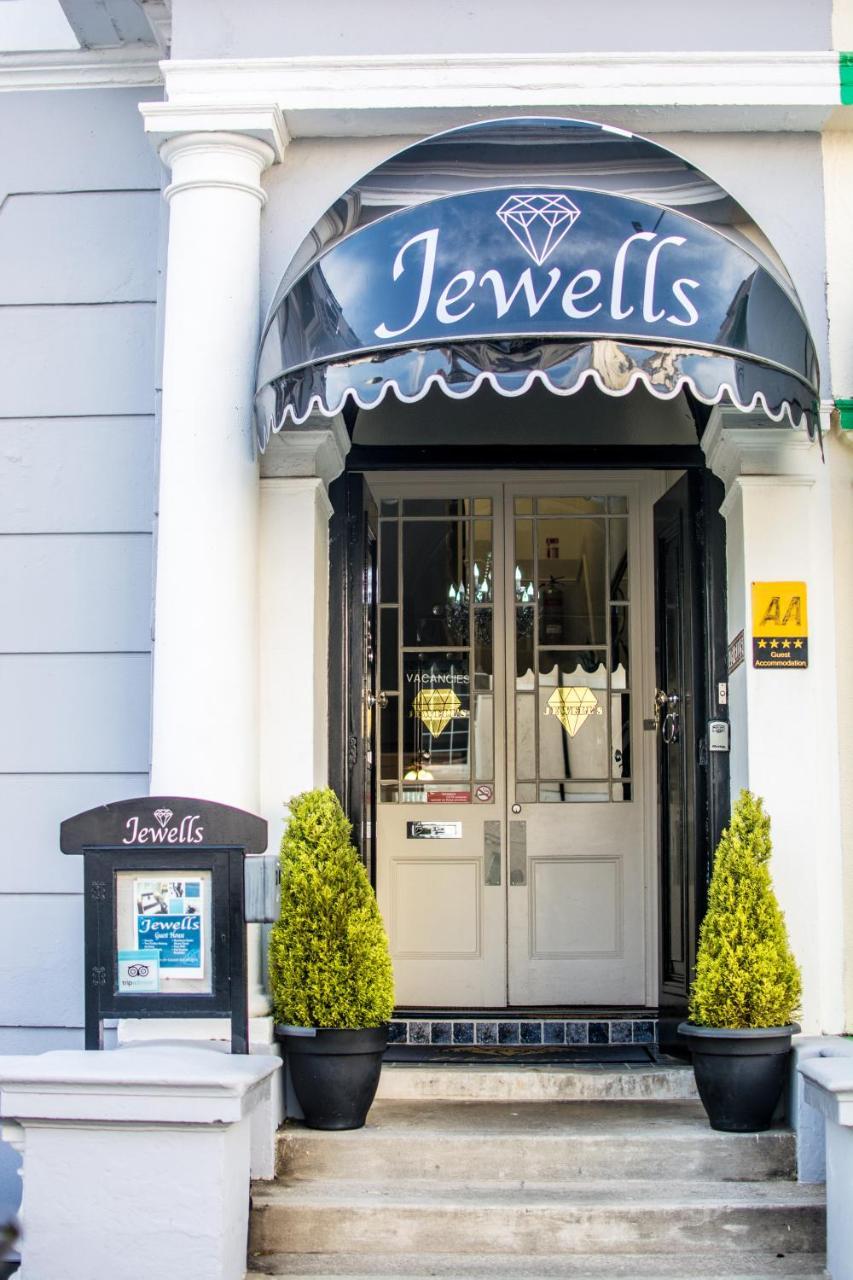


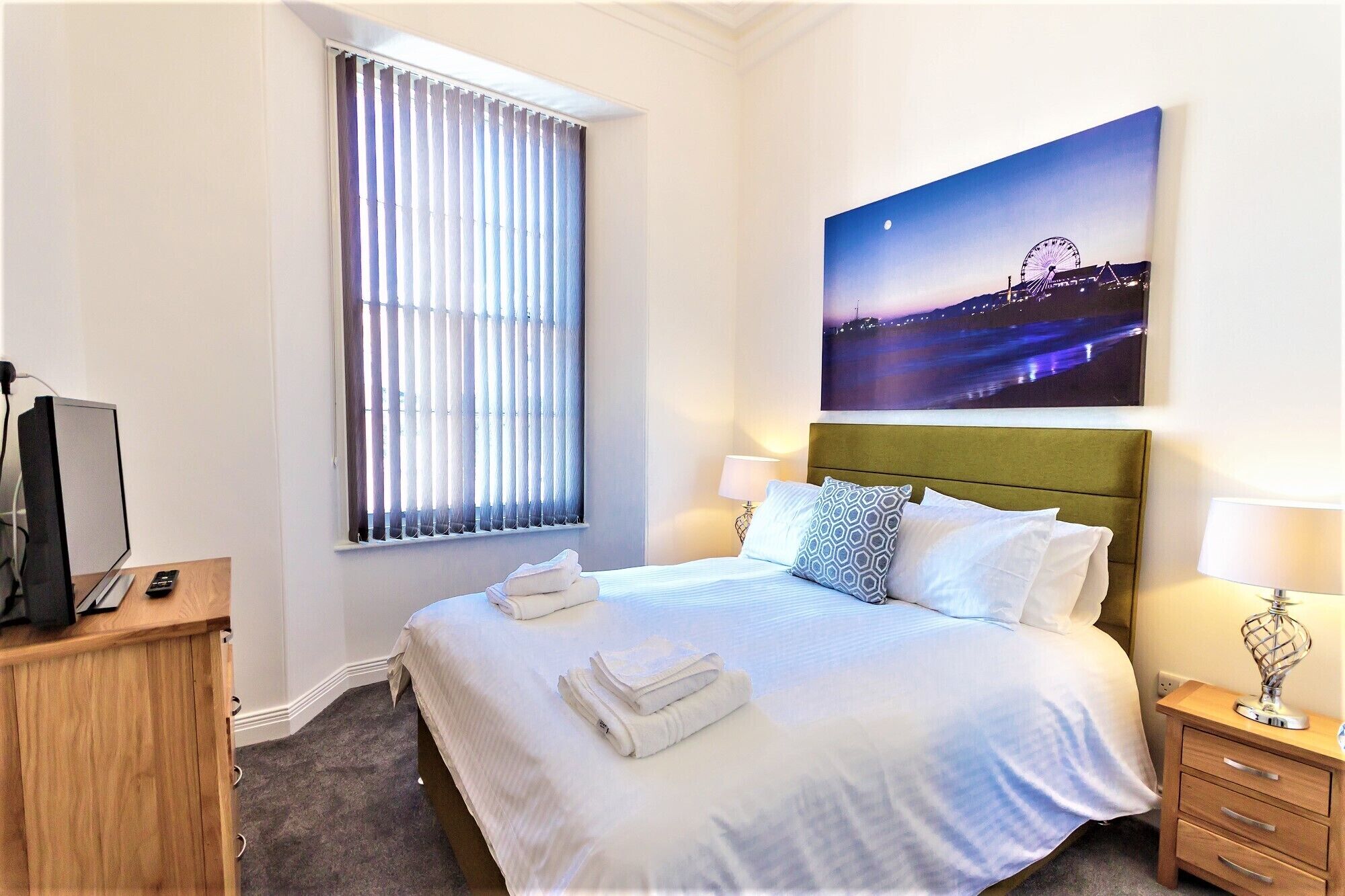
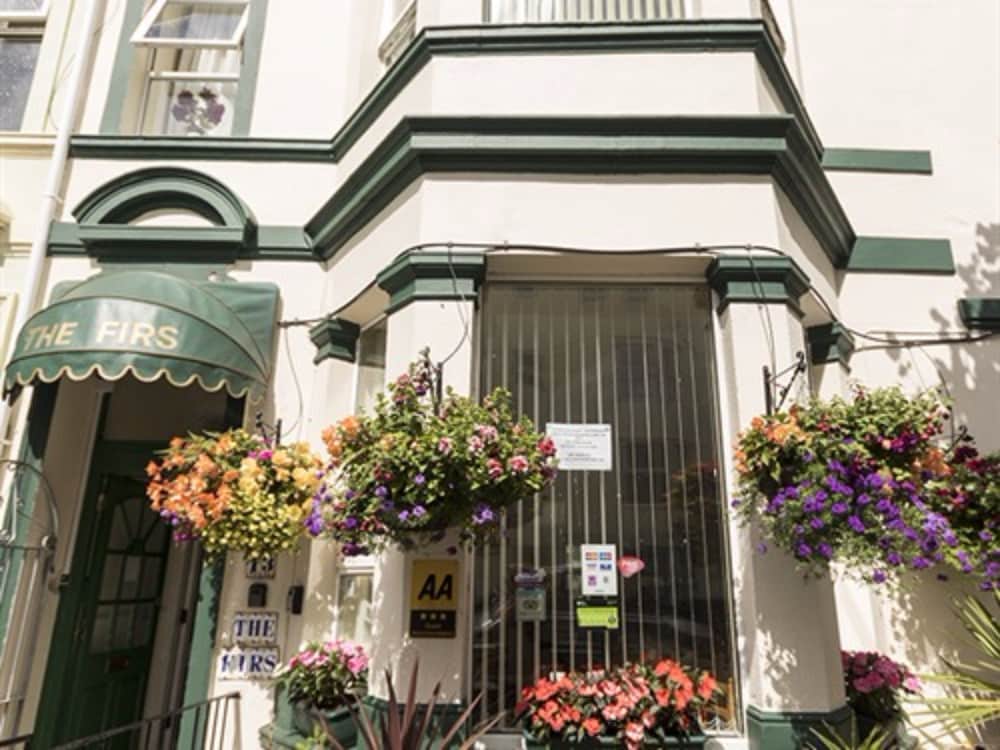
Search live rates in Plymouth
Pick your dates — every Plymouth room with a live price, in one list.
Free cancellation on most rooms · 1 t CO₂ removed per booking, at no extra cost.
About Plymouth
Where to stay in Plymouth
The Barbican. The historic waterfront area with cobbled streets, independent shops, and restaurants. It is close to Sutton Harbour and the Mayflower Steps.
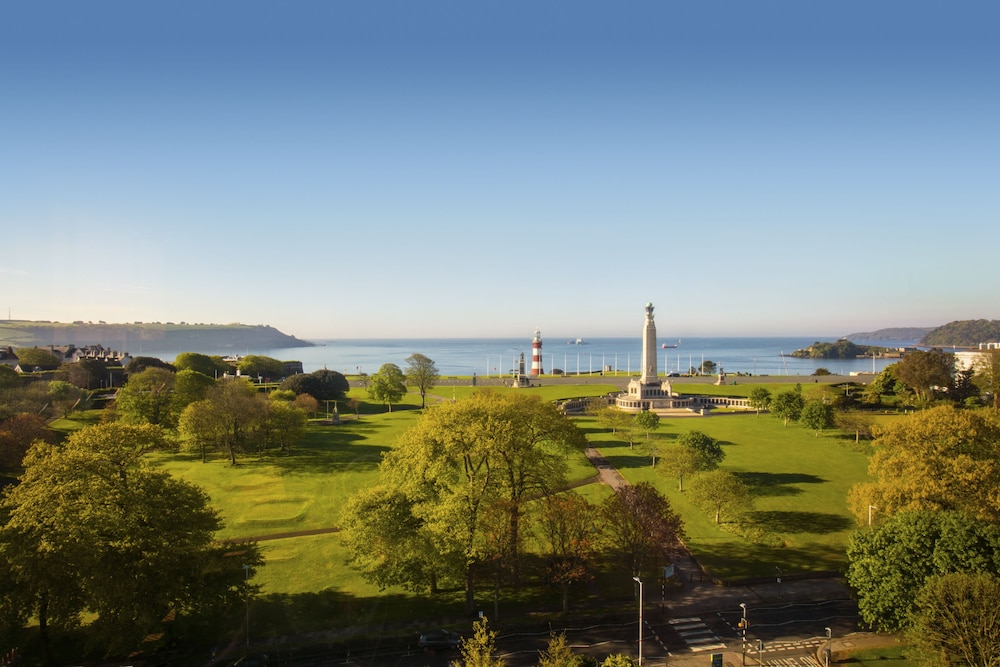
Plymouth Hoe. A seafront location with views over Plymouth Sound, near the Royal Citadel and the promenade. It offers easy access to the city centre and waterfront.
City Centre. The modern commercial heart of Plymouth, with major shopping streets, theatres, and transport links. It is convenient for business and leisure travellers.
Devonport. A historic naval area with a strong maritime heritage, including the Devonport Naval Base. It is located west of the city centre.
Getting there and around
Plymouth is accessible by road via the A38, which connects to the M5 motorway. The city has a railway station, Plymouth, with direct services to London Paddington, Bristol, and Cornwall. Reading is a major railway interchange; from Reading, trains to Plymouth take around three hours. By coach, National Express services run from London Victoria and other cities. Exeter Airport is about 50 miles away, while Bristol Airport is roughly 120 miles. Within Plymouth, local buses are operated by Plymouth Citybus, and the city has a network of cycle paths. The Barbican and Hoe are walkable from the city centre, and a ferry service links to Cornwall.
When to go
The best time to visit Plymouth is from late spring to early autumn, when the weather is mild and outdoor attractions are fully open. Summer brings warmer temperatures and longer days, ideal for coastal walks and boat trips. However, it is also the busiest period. Spring and autumn offer quieter conditions and comfortable temperatures for sightseeing. Winter can be cold and wet, but indoor attractions remain open. Rainfall is spread throughout the year, so visitors should be prepared for occasional showers.
Questions, answered
What is Plymouth known for?
Plymouth is known for its maritime history, including the Mayflower's departure in 1620 and its naval base at Devonport. It is also home to the National Marine Aquarium and the historic Barbican area.
How do I get to Plymouth from London?
You can take a train from London Paddington to Plymouth, which takes around three hours. Alternatively, National Express coaches run from London Victoria, and the drive via the M5 and A38 takes about four hours.
What is there to do in Plymouth?
Visitors can explore the Barbican and Sutton Harbour, visit the National Marine Aquarium, walk on the Hoe, and see the Royal Citadel. The Mayflower Museum and the Plymouth Gin Distillery are also popular.
Is Plymouth a good base for exploring Cornwall?
Yes, Plymouth is close to the Cornwall border, with the Tamar Bridge and Royal Albert Bridge providing direct road and rail links. It is a convenient starting point for trips to Cornwall.
What is the weather like in Plymouth?
Plymouth has a temperate maritime climate with mild winters and warm summers. Rainfall is common throughout the year, so packing waterproof clothing is advisable.