Home/Stays/England/Cirencester
Stays in Cirencester
Cirencester, in Gloucestershire, England, is a market town with Roman roots. Known as Corinium Dobunnorum, it was the second-largest town in Roman Britain, and its Roman heritage is visible in the Corinium Museum, which holds one of the country's finest collections of Roman mosaics and artefacts.…
Every stay in Cirencester
Recent rates first, then the best-reviewed rooms.
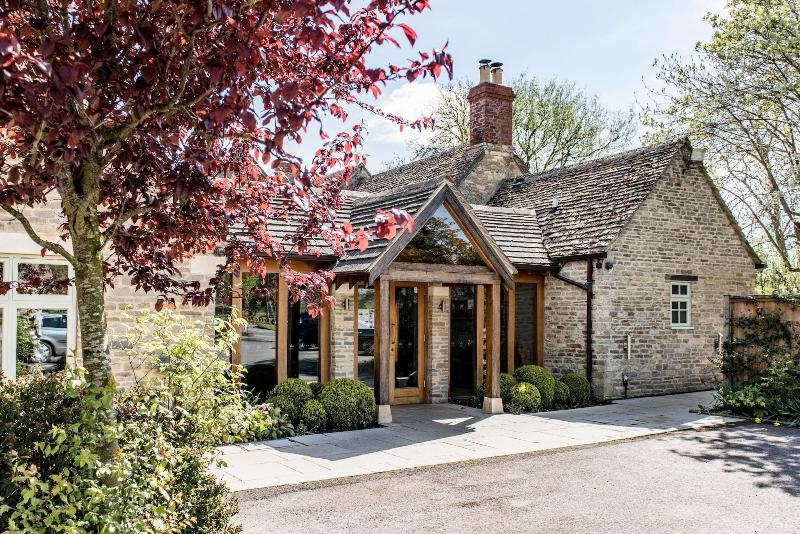
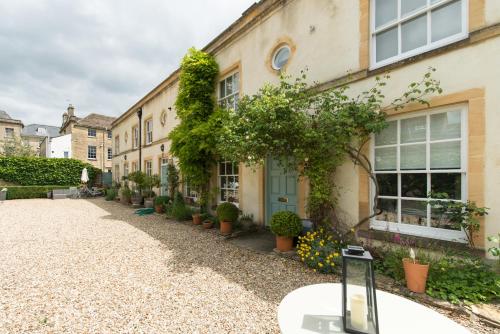
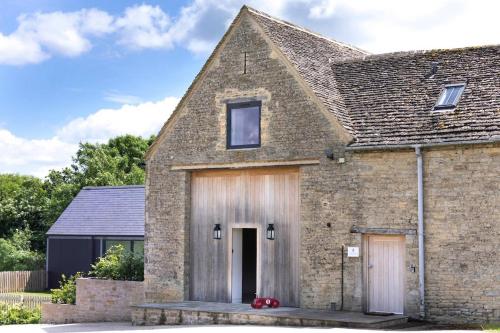
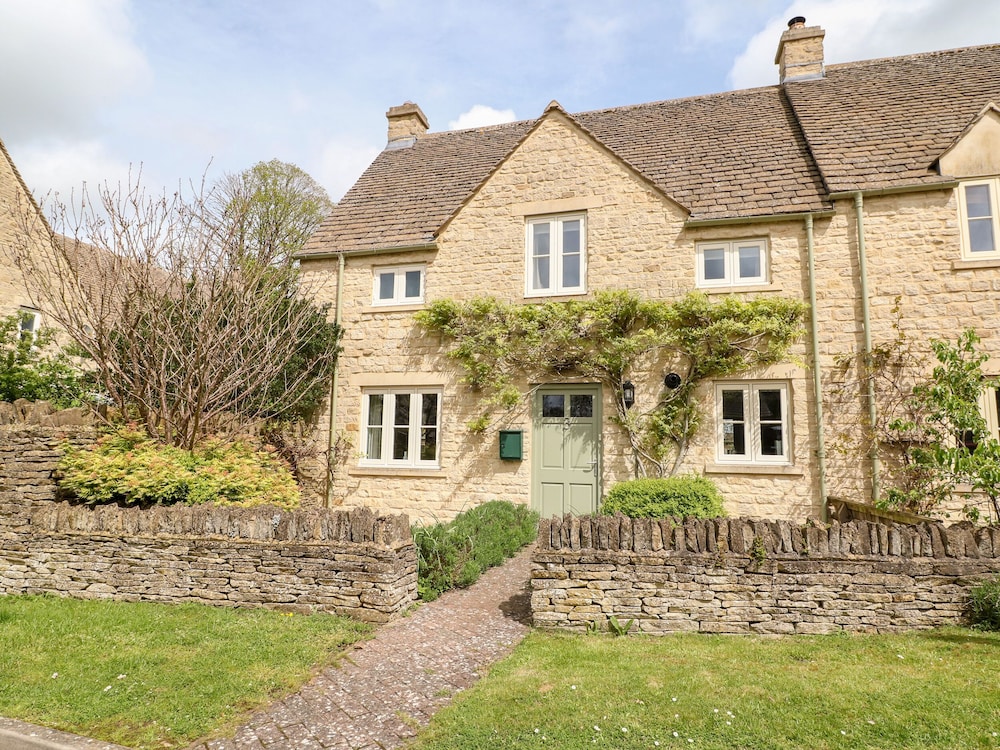
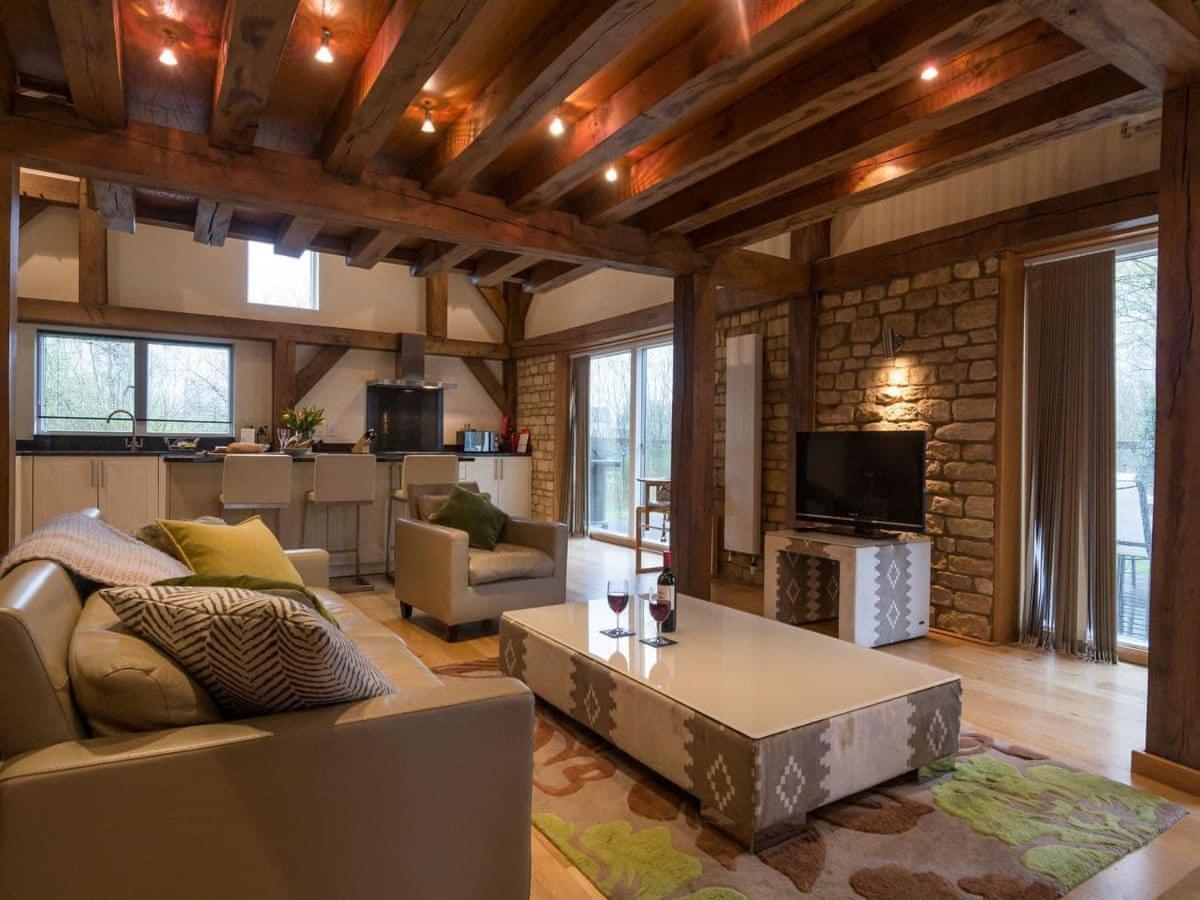
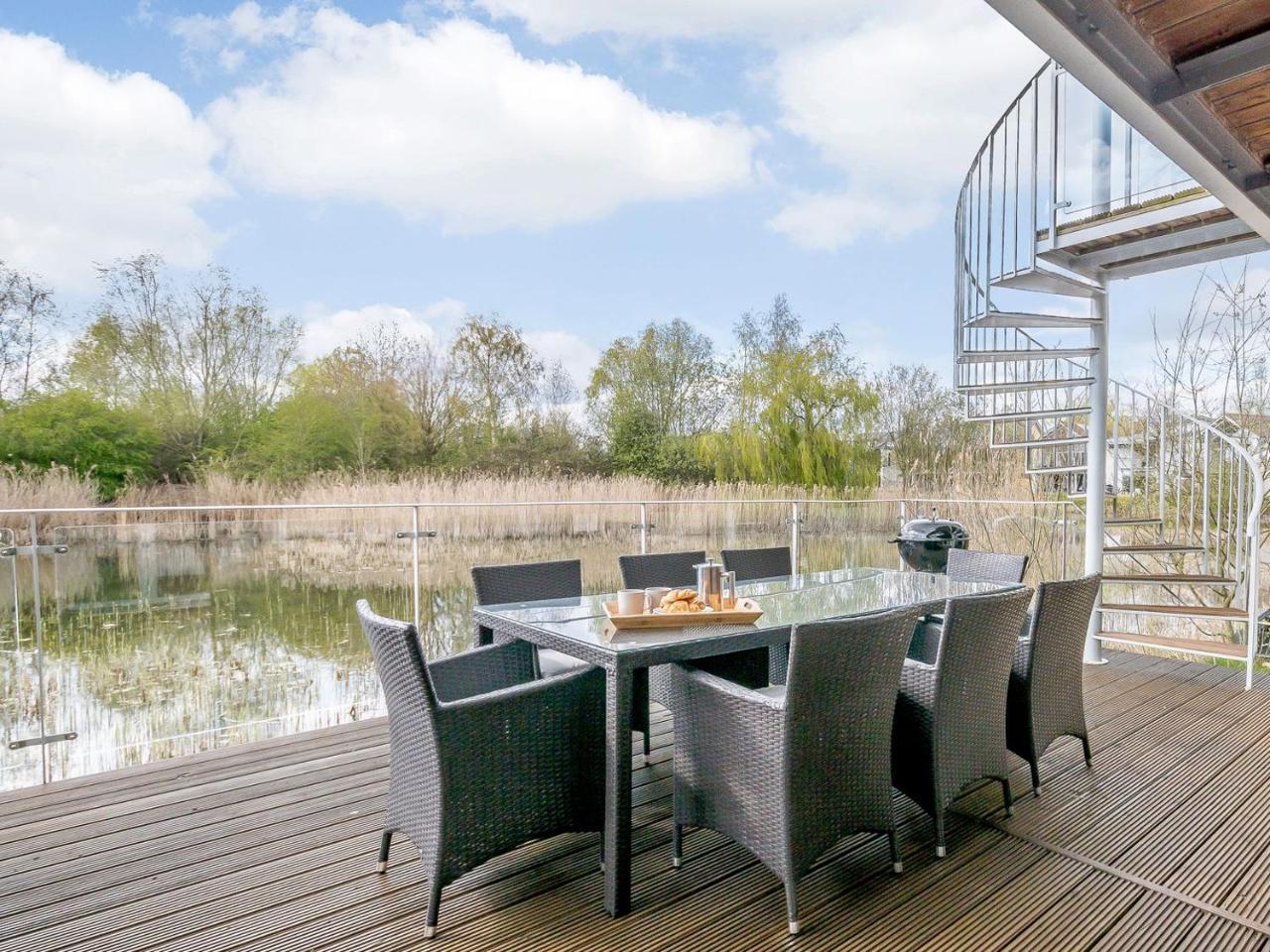
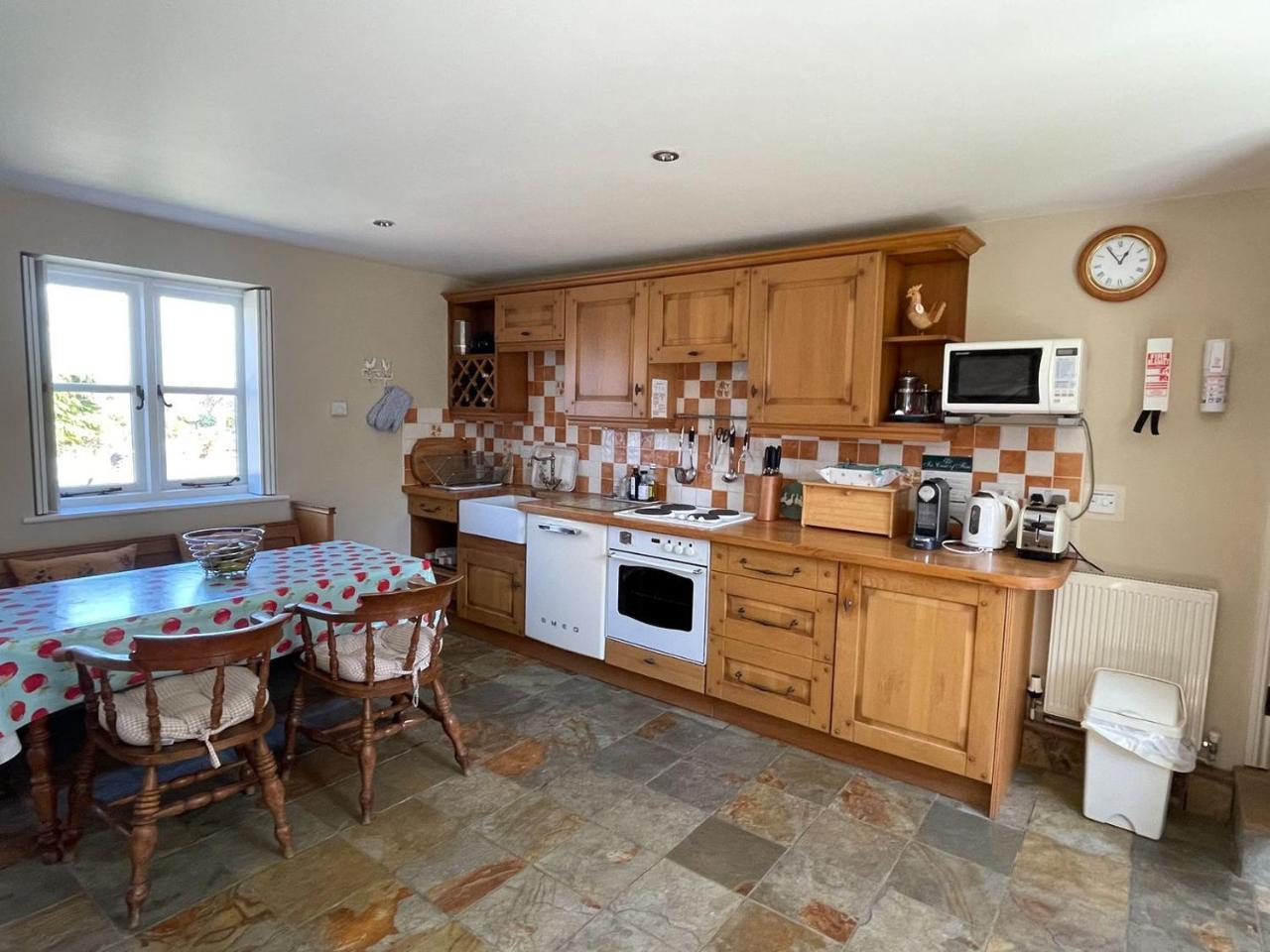
Search live rates in Cirencester
Pick your dates — every Cirencester room with a live price, in one list.
Free cancellation on most rooms · 1 t CO₂ removed per booking, at no extra cost.
About Cirencester
The town centres on the Market Place, where markets have been held for centuries, and the streets radiating from it retain independent shops, cafes and historic buildings. The River Churn runs through Cirencester, feeding the water meadows at Abbey Grounds, a park on the site of the former Cirencester Abbey. The town is a gateway to the Cotswolds, with the Roman road of Ermin Street and the Fosse Way meeting nearby, and it sits close to the source of the Thames. Cirencester's combination of Roman history, Cotswold stone architecture and rural setting makes it a distinct base for exploring the region.
Where to stay in Cirencester
Town Centre. The area around Market Place and Cirencester's main streets puts you within walking distance of the Corinium Museum, St John the Baptist Church and the Abbey Grounds.
Stratton. A eastern suburb of Cirencester along the old Roman road of Ermin Street, with a mix of residential streets and some larger hotels.
Watermoor. A southern area of Cirencester near the railway station site and the water meadows, convenient for walks along the River Churn.
Baunton. A village just north of Cirencester, offering a quieter base within easy reach of the town and the Cotswold countryside.
Getting there and around
Cirencester has no railway station; the nearest mainline stations are Kemble, about four miles away, with trains from London Paddington, and Swindon, about fifteen miles away, on the Great Western Main Line. Bus services connect Cirencester with Swindon, Gloucester, Cheltenham and Stroud. By road, the A419 and A417 link the town to the M4 and M5 motorways. Within Cirencester, the town centre is compact and walkable, with the Corinium Museum, Market Place and Abbey Grounds all close together. Local buses serve the surrounding villages and Cotswold towns, while the National Cycle Network and footpaths such as the Thames Path and Cotswold Way are accessible from the area.
When to go
Cirencester is a year-round destination, but spring and summer suit exploring the Abbey Grounds, the Roman amphitheatre and the surrounding Cotswold footpaths. The town's markets and events, including the Cirencester Food Festival and the Roman-themed Corinium events, often take place in the warmer months. Autumn brings colour to the Cotswold countryside, while winter is quieter and the town's historic buildings and museums remain open. Rainfall is spread through the year, so visitors should be prepared for changing weather when walking in the area.
Questions, answered
What is Cirencester famous for?
Cirencester is known for its Roman heritage as Corinium Dobunnorum, its Corinium Museum with Roman mosaics, and St John the Baptist Church, a prominent medieval wool church.
Is there a train station in Cirencester?
No, Cirencester does not have a railway station. The nearest stations are Kemble and Swindon, with bus and road connections to the town.
What are the main sights in Cirencester?
The Corinium Museum, St John the Baptist Church, the Market Place, Abbey Grounds and the Roman amphitheatre are among the main sights.
How do I get around Cirencester?
Central Cirencester is compact and best explored on foot. Local buses serve surrounding areas, and the town is a base for walks and cycle routes in the Cotswolds.
When is the best time to visit Cirencester?
Spring and summer are popular for outdoor exploring and events, while autumn offers countryside colour. Winter is quieter but museums and historic sites remain open.
What is the nearest airport to Cirencester?
The nearest major airport is Bristol Airport, with Birmingham and London Heathrow also accessible by road.