Stays in Canterbury
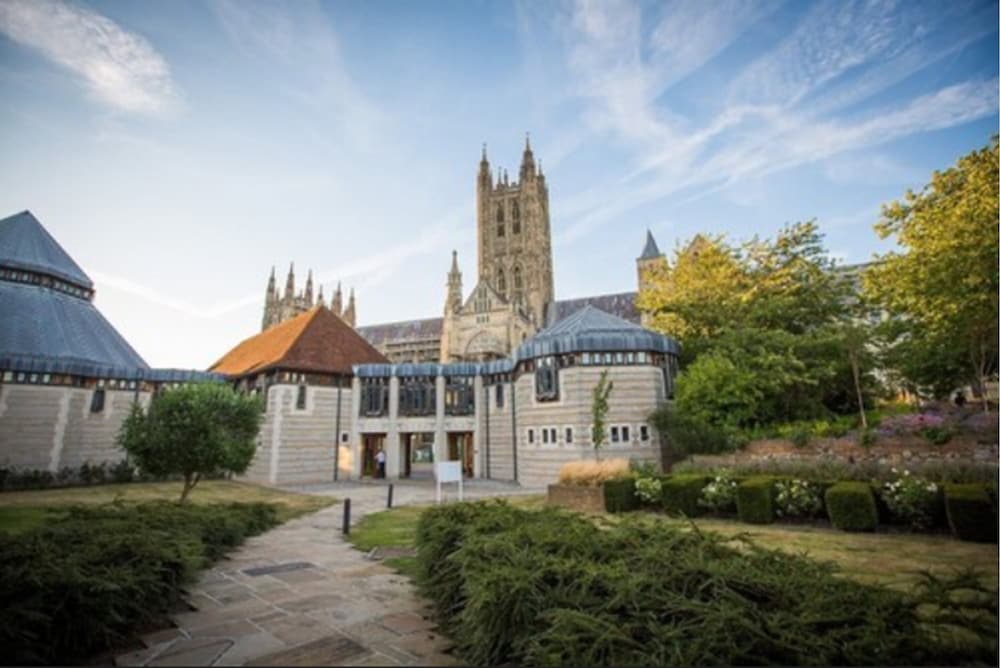
Canterbury is a historic cathedral city in Kent, southeast England. Its origins are Roman, but it is best known as the seat of the Archbishop of Canterbury and the mother church of the Anglican Communion. The city's medieval centre is enclosed by ancient walls, and its narrow streets are lined with…
Every stay in Canterbury
Recent rates first, then the best-reviewed rooms.
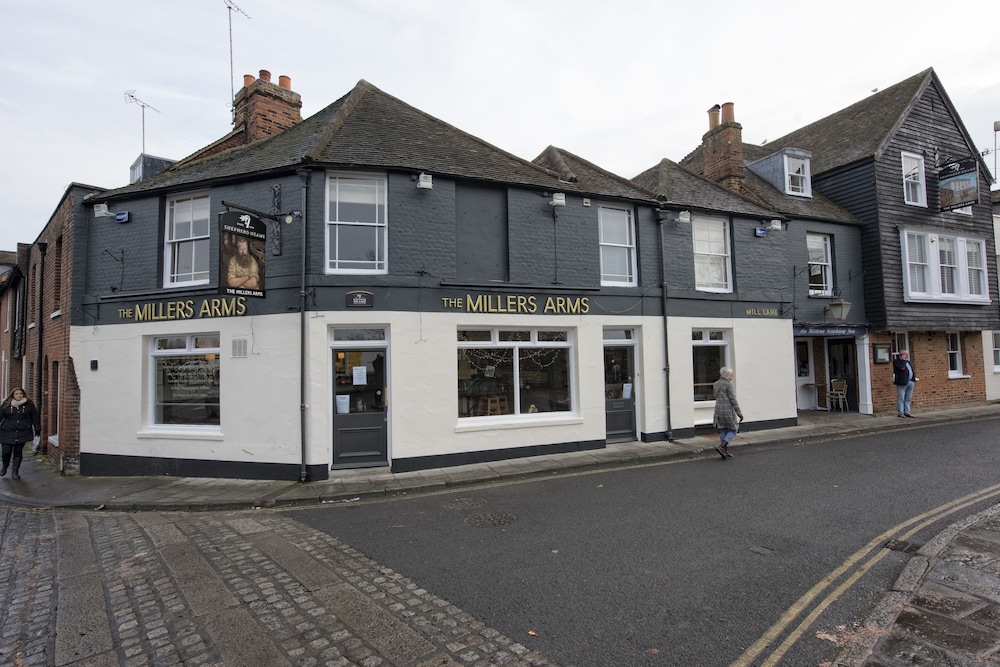
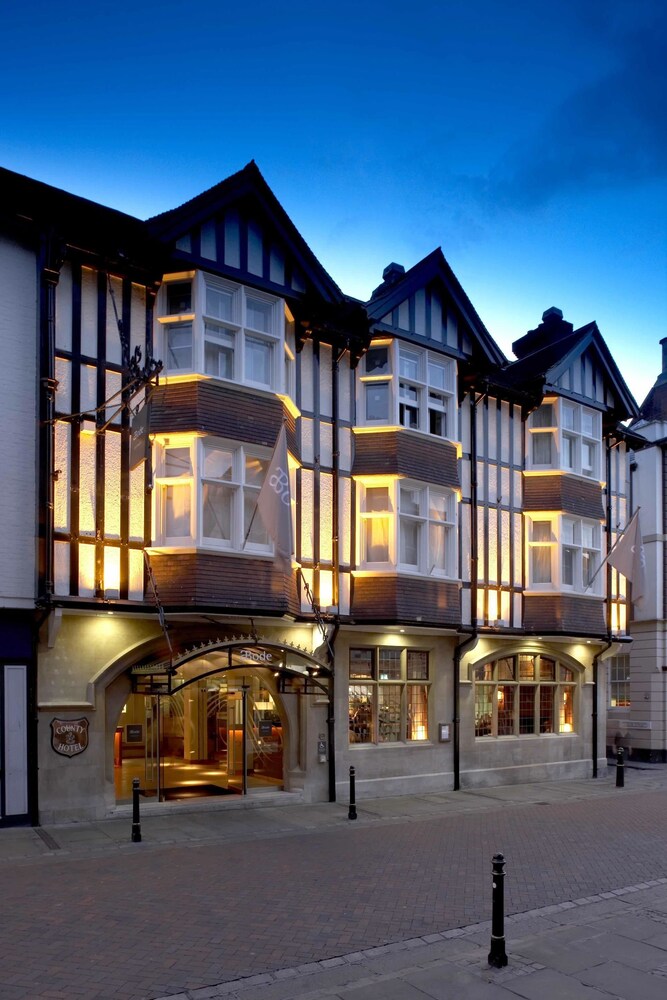
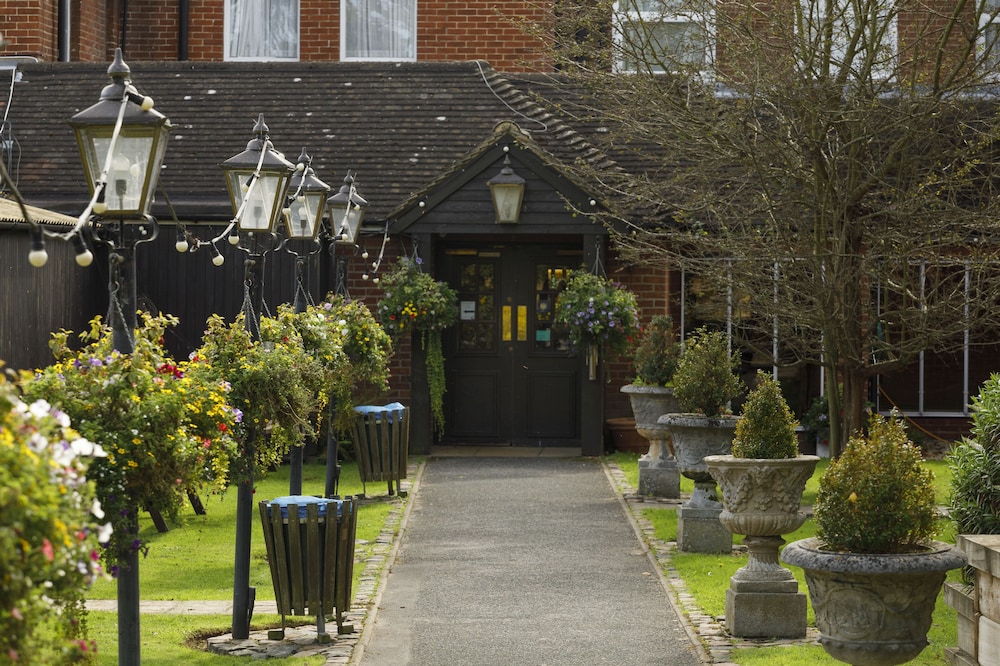
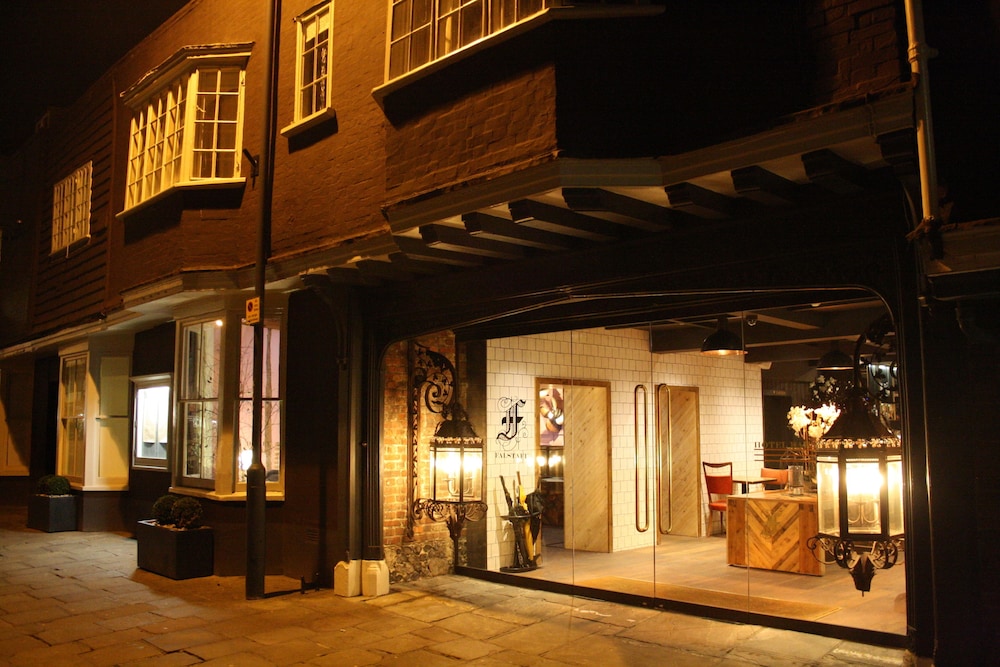
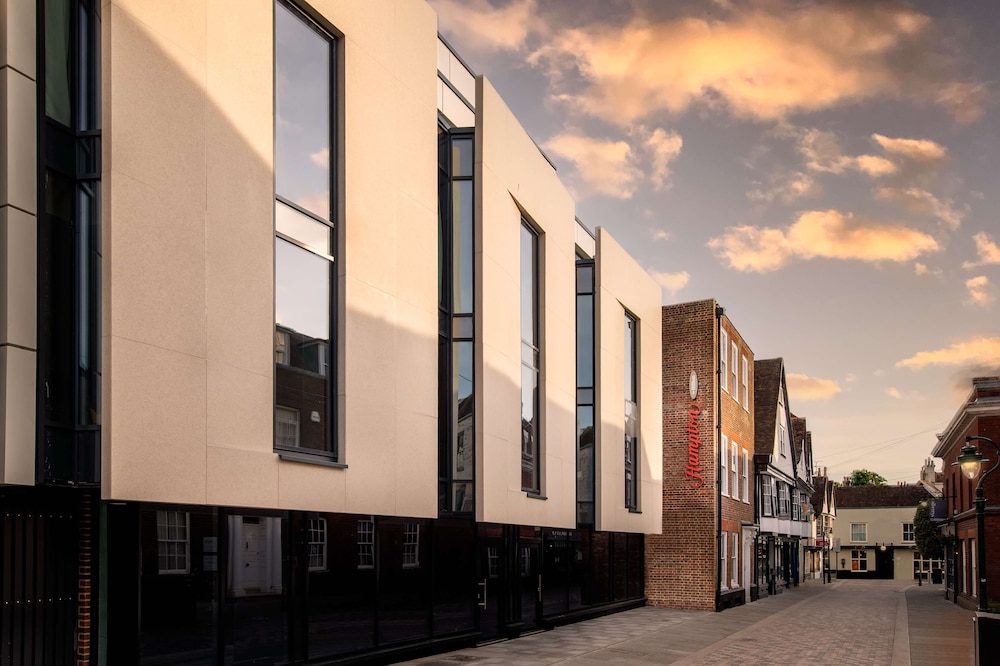
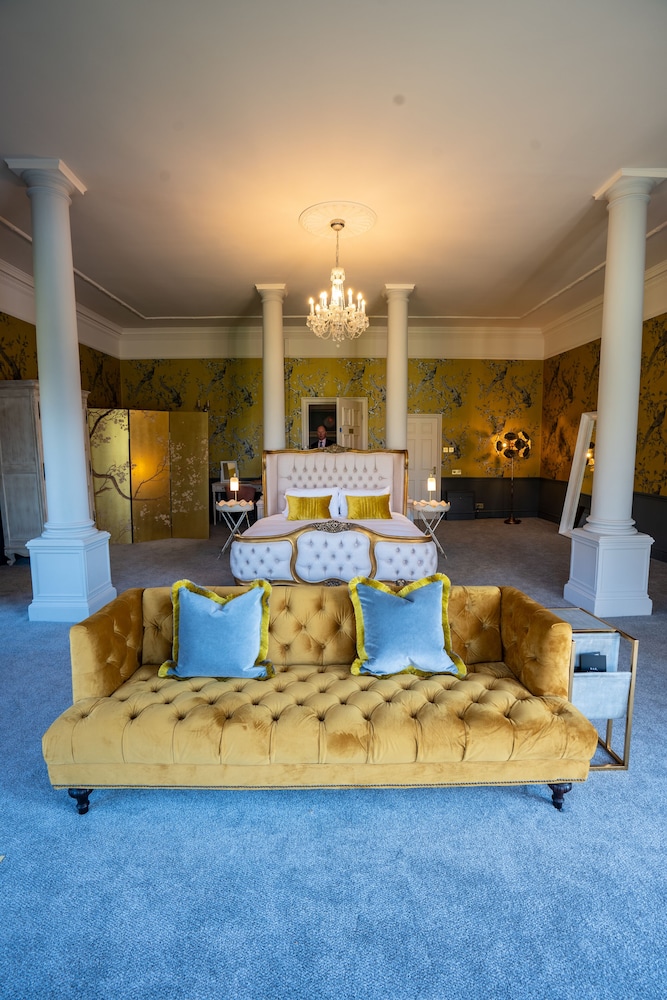
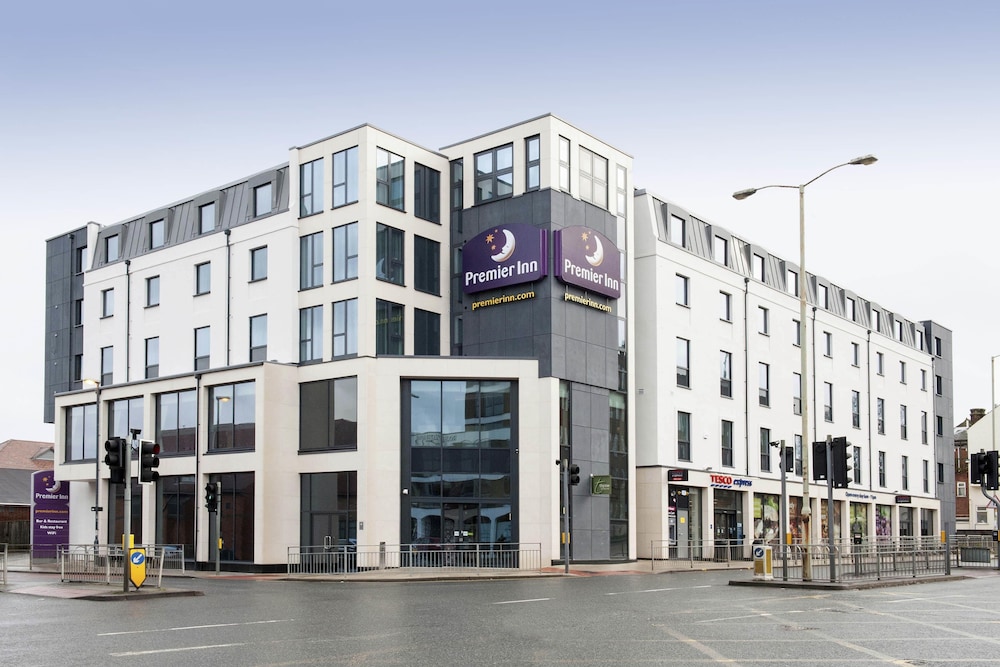
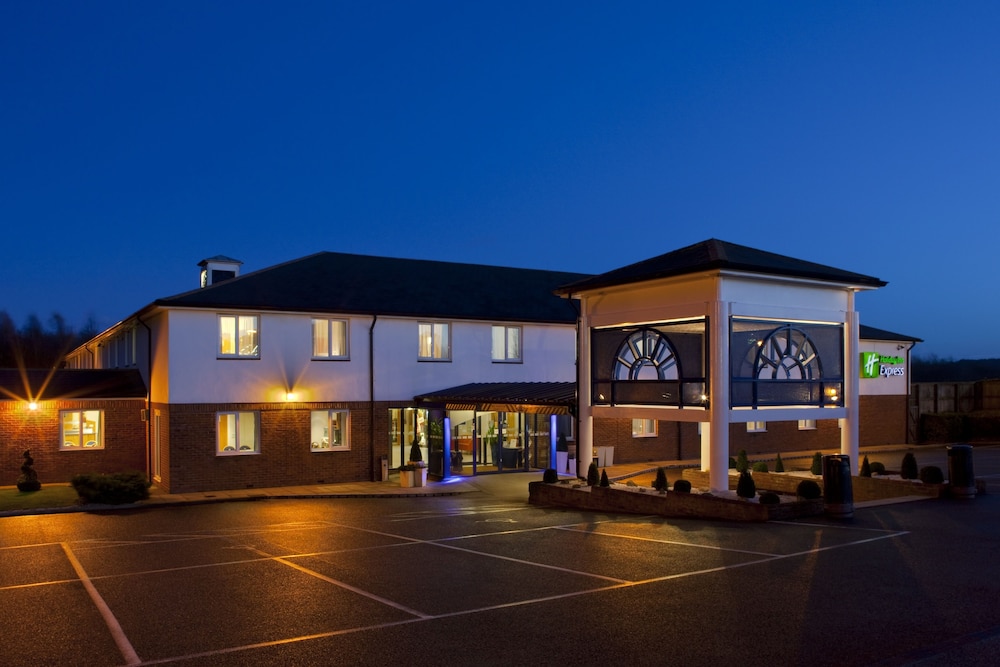
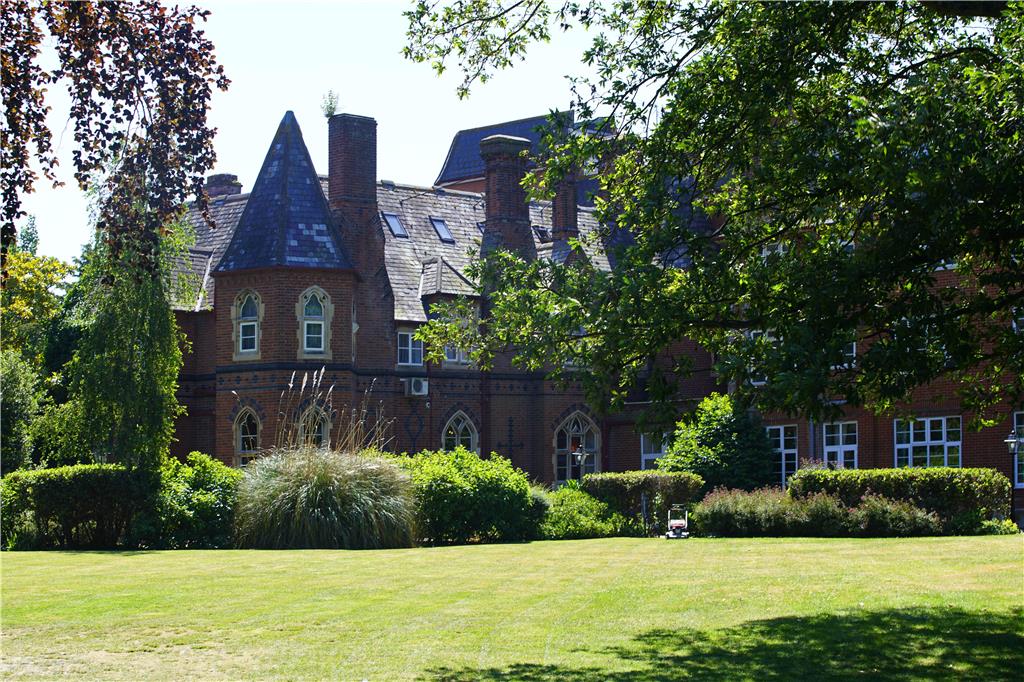
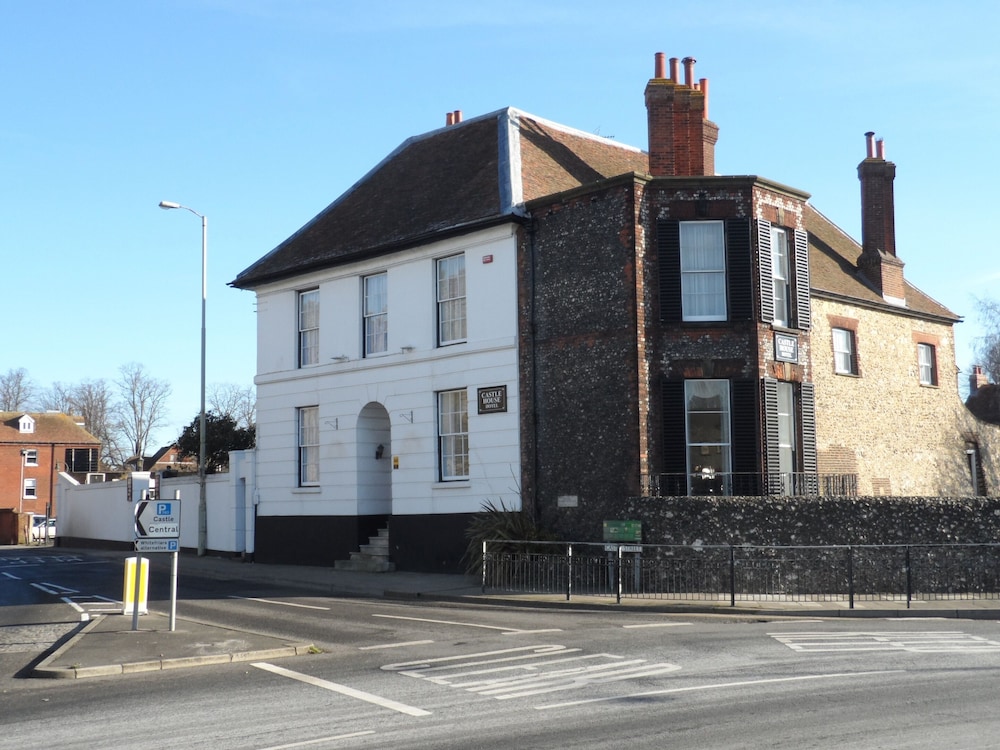

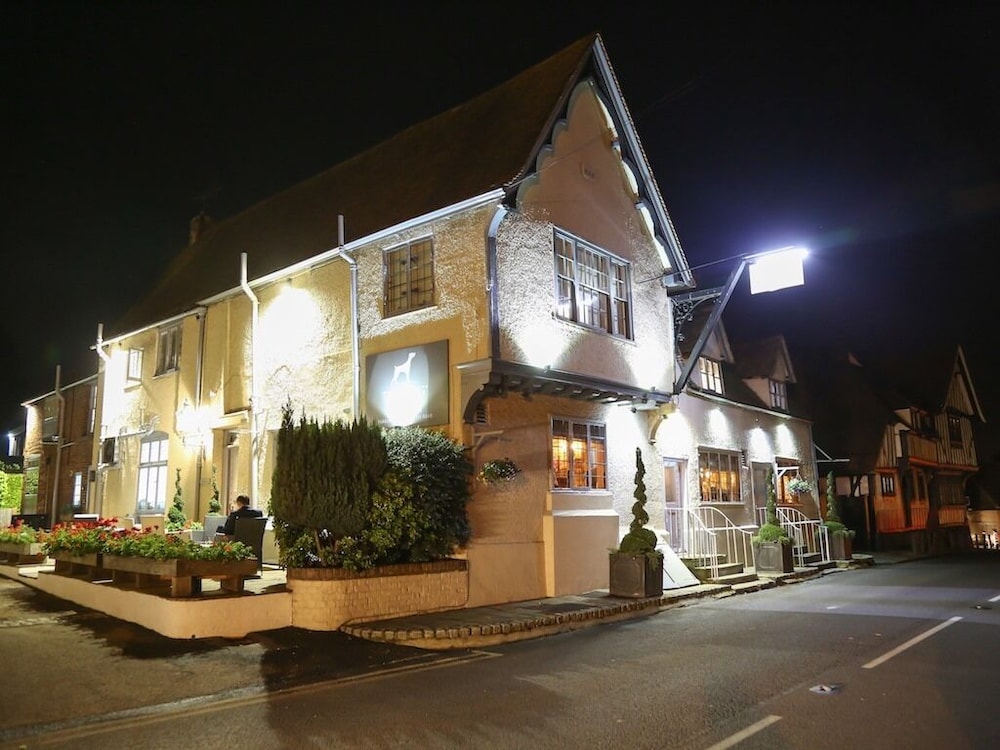
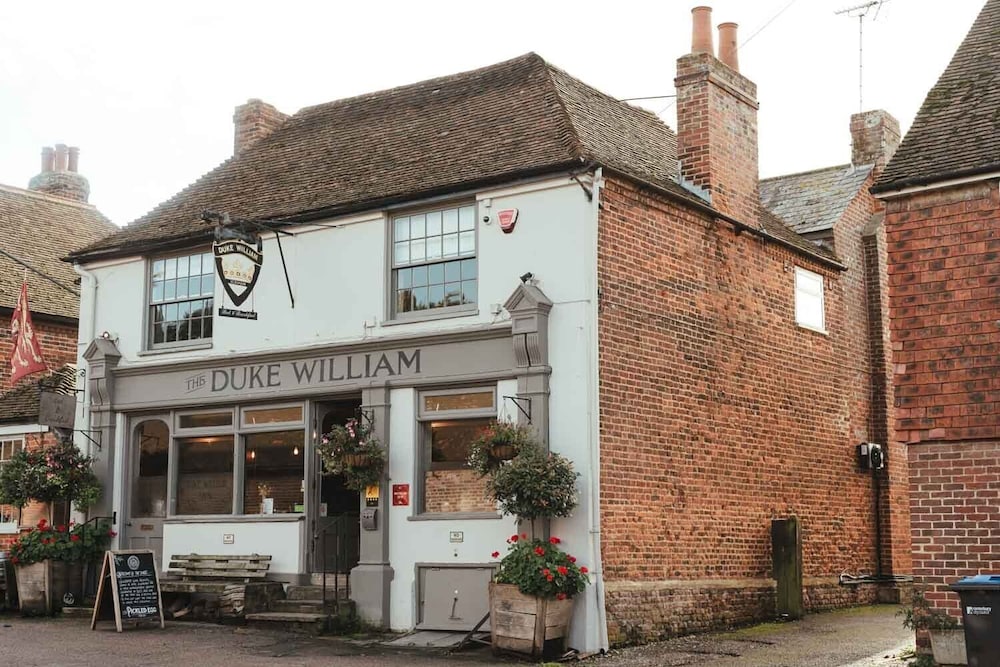

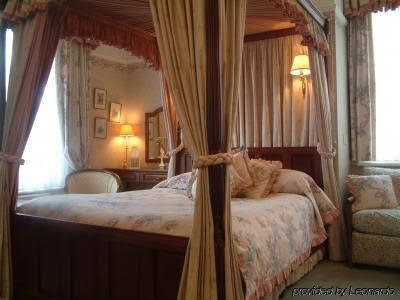
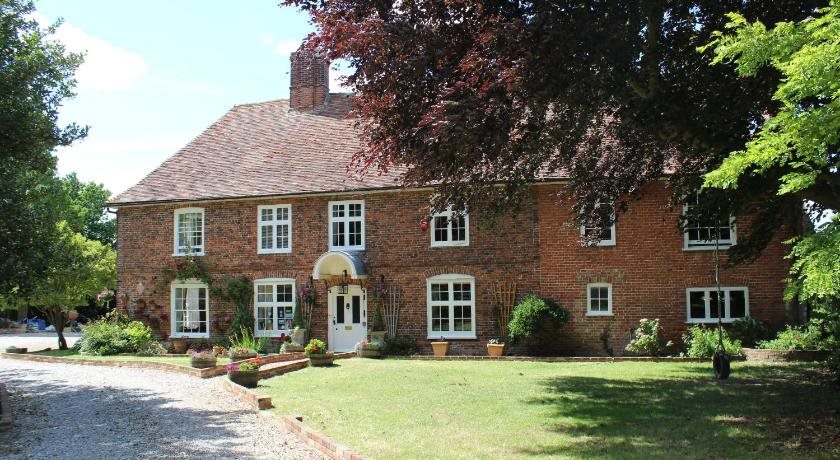
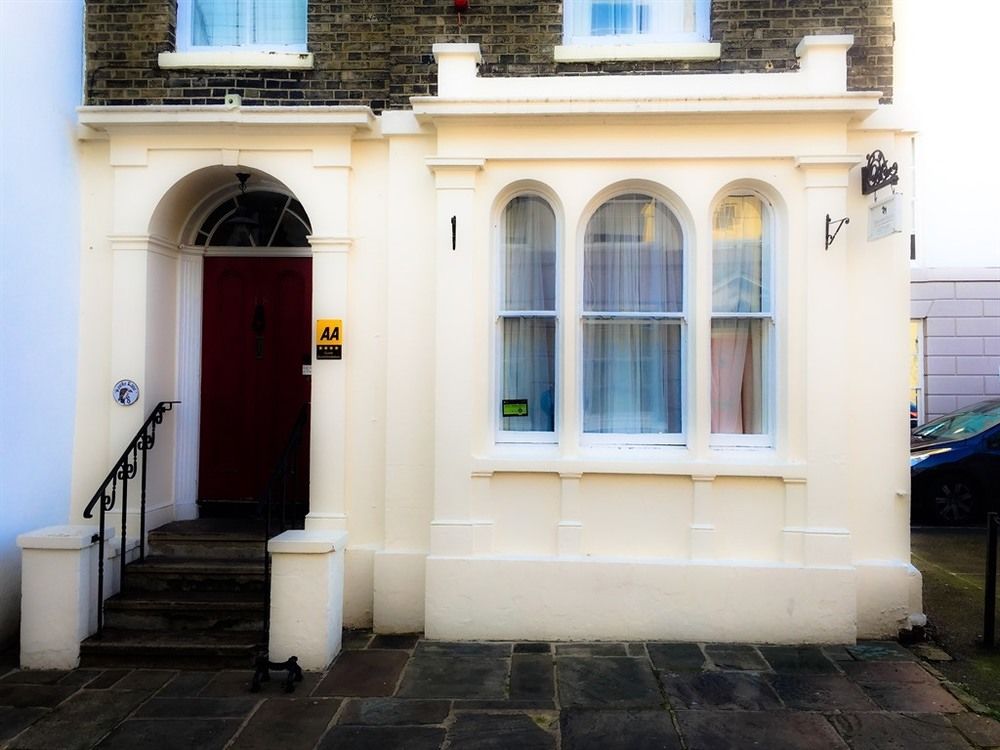
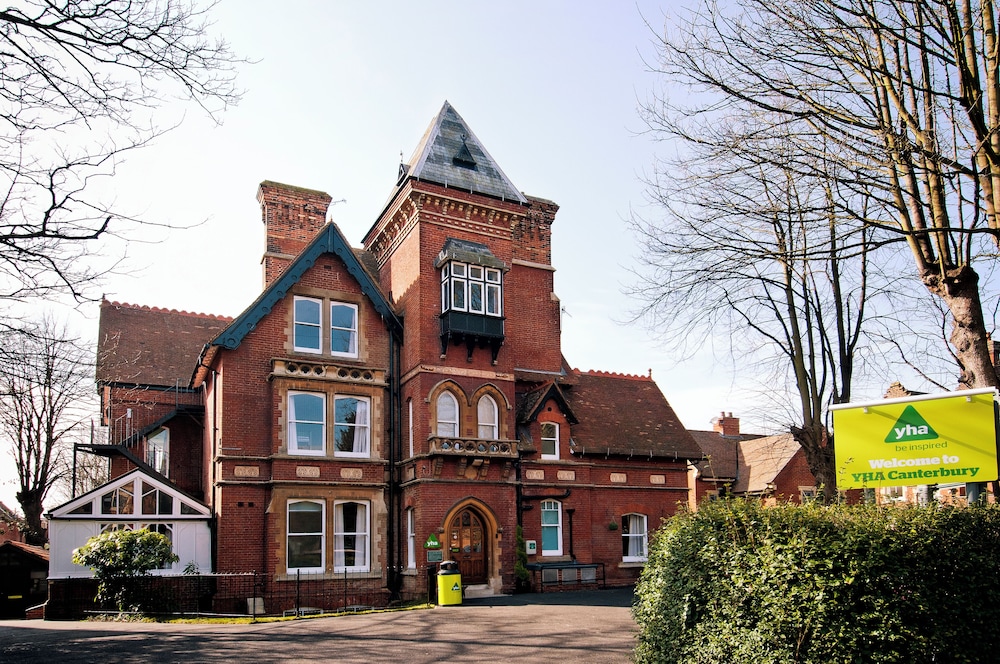
Search live rates in Canterbury
Pick your dates — every Canterbury room with a live price, in one list.
Free cancellation on most rooms · 1 t CO₂ removed per booking, at no extra cost.
About Canterbury
Beyond the cathedral, Canterbury offers a mix of museums, such as the Canterbury Roman Museum and the Beaney House of Art and Knowledge. The River Stour runs through the city, and punting trips are a popular way to see the sights from the water. The city is also home to three universities, giving it a lively student population. Shopping is concentrated in the pedestrianised high street and the Whitefriars shopping centre. With its compact centre, Canterbury is easy to explore on foot.
Where to stay in Canterbury
City Centre. The area around the cathedral and high street puts you within walking distance of major sights, shops and restaurants. Many hotels here occupy historic buildings.
St Dunstan's. Just outside the city walls near the Westgate Towers, this area offers a quieter base with easy access to the centre. It is close to Canterbury West railway station.
Wincheap. South of the city centre, Wincheap is a residential and commercial area with several hotels. It is convenient for drivers and has regular bus links to the centre.
St Stephen's. This area is home to the St Stephen's shopping district and a number of modern hotels. It is a short walk from the historic core and has good parking.
Getting there and around
Canterbury has two railway stations: Canterbury East and Canterbury West. High-speed trains from London St Pancras to Canterbury West take about an hour, while services from London Victoria to Canterbury East are slower. Both stations are within walking distance of the city centre. By road, the M2 and A2 connect Canterbury to London and the port of Dover. National Express coaches serve the city from London Victoria. Once in Canterbury, the centre is compact and best explored on foot. Local buses run to surrounding areas, and taxis are available at both stations.
When to go
The best time to visit Canterbury is from late spring to early autumn, when the weather is mild and the days are long. Summer can be busy, especially around the cathedral, but the atmosphere is lively. Spring and autumn offer fewer crowds and comfortable temperatures for walking. Winter is quieter, and the city has a festive feel in December, though some attractions may have shorter opening hours.
Questions, answered
What is Canterbury famous for?
Canterbury is famous for its cathedral, a UNESCO World Heritage Site and the seat of the Archbishop of Canterbury. It is also known for its medieval architecture and connection to Chaucer's Canterbury Tales.
How do I get to Canterbury from London?
The fastest way is by high-speed train from London St Pancras to Canterbury West, which takes about an hour. There are also slower trains from London Victoria to Canterbury East and coaches from London Victoria.
Is Canterbury walkable?
Yes, the historic centre is compact and pedestrian-friendly. Most major attractions, including the cathedral, are within walking distance of each other.
What are the main attractions in Canterbury?
Key attractions include Canterbury Cathedral, St Augustine's Abbey, the Roman Museum, the Beaney House of Art and Knowledge, and the Canterbury Tales attraction. The city walls and the River Stour also offer pleasant walks.
Where can I park in Canterbury?
There are several car parks in and around the city centre, including at St Stephen's, Whitefriars and the Park and Ride sites on the outskirts. Parking is limited in the historic core.
What is the best time to visit Canterbury?
Late spring to early autumn is ideal for mild weather and longer days. Summer is busiest, while spring and autumn offer a quieter experience.