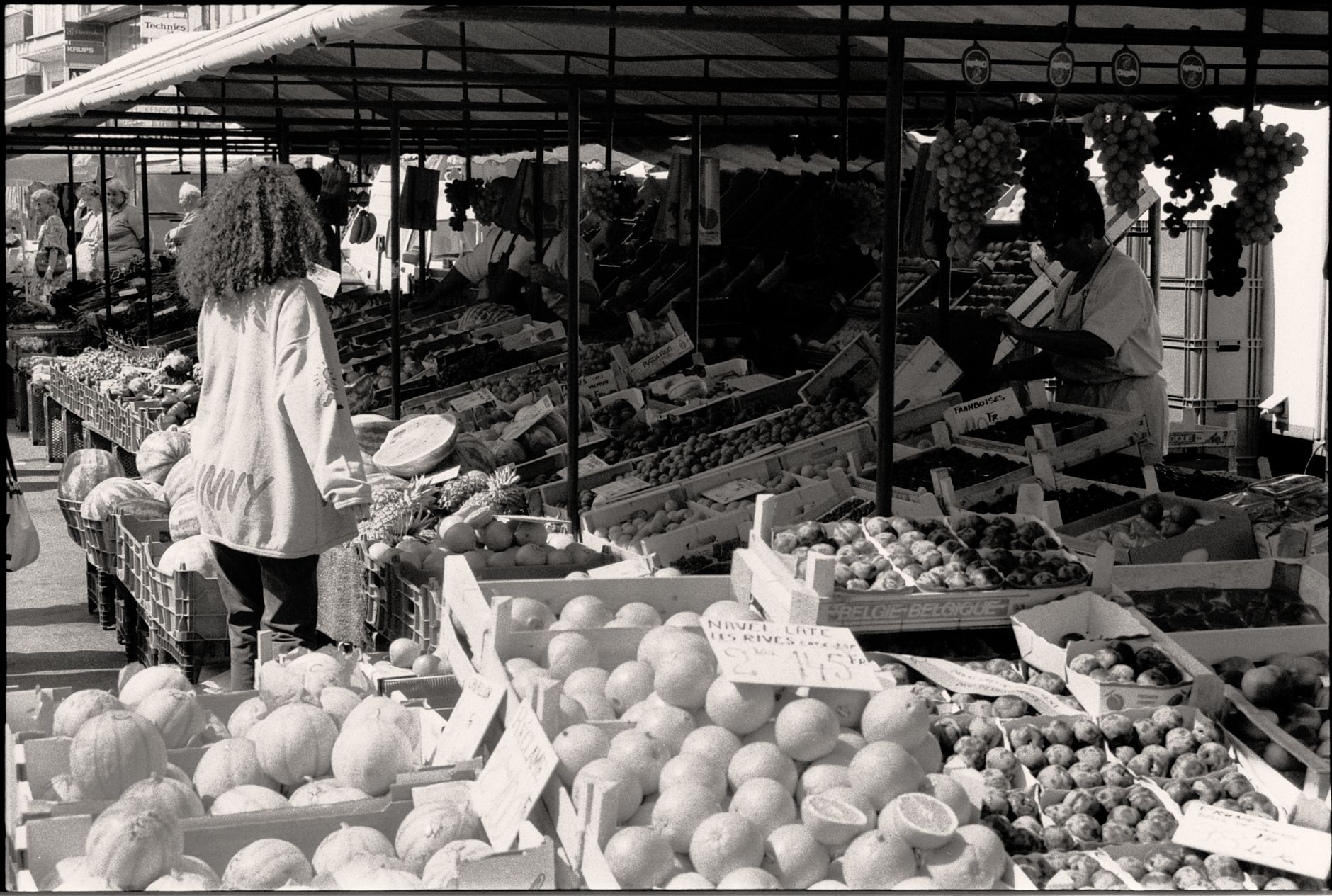
Reading Farmers' Market
Held on the first and third Saturday of the month at the Great Expectations pub car park on London Street, 9am-1pm. Around 25-30 stalls: rare-breed pork, Chiltern lamb, unpasteurised cheese from the Wooden Cow dairy, sourdough from Warings, local honey, and West Berkshire Brewery beer. Prices are farm-gate — pork sausages £6, a decent-sized cheese wedge £7. Best to arrive by 10am; the good bread and pastry stalls sell out. The market is run by Reading Borough Council and has kept broadly the same format for over a decade, so there is a settled core of stallholders alongside a rotating handful of guest producers each session. Wooden Cow's unpasteurised cheeses and the West Berkshire Brewery stall are the two most reliably present; the vegetable and flower stalls change with growers' availability. Regulars say the meat stalls, especially the rare-breed pork, are the best value in town — cheaper than the same cuts from Reading's supermarkets, and fresher than anything trucked in from further afield.
If you're staying centrally, the market is a 10-minute walk from Reading station down Station Hill and King's Road towards London Street. There's no need to book — it's first come, first served, and stallholders will happily let you taste before you buy on cheese and charcuterie. Bring a cool bag if you're carrying meat or cheese back to a hotel room, since none of the stalls offer refrigerated storage once you've paid. On wet Saturdays the market still runs, just with roughly half the usual footfall and shorter queues — arguably the better morning to go if you want to actually talk to the stallholders rather than jostle for the last loaf.
Broad Street Mall and the Union Street stalls
Union Street — locally called Smelly Alley for its historic fishmongers — still has a real fresh fish counter (Reading Fisheries) and a proper butcher (Vicars butchers). Both work with the surrounding restaurants and sell direct to walk-ins. Small but genuine, and cheaper than any supermarket. There's a general Saturday street market on Broad Street with clothes, produce, and cheap household goods — practical rather than picturesque. Smelly Alley has carried that nickname since Victorian times, when the street was lined with fish stalls whose smell carried onto Broad Street itself; today Reading Fisheries is one of the last survivors of that trade, still taking deliveries most mornings and filleting to order. Vicars butchers next door sources beef and lamb from farms within roughly 30 miles of Reading and will cut to whatever weight or thickness you ask for, which the supermarket counters won't. Between the two you can put together a proper dinner for two for under £15.
Broad Street Mall itself, at the western end, is an indoor shopping centre with a small daily market hall inside — a handful of stalls selling phone accessories, sweets, and fabric rather than food, open the same hours as the mall (9am-6pm Monday-Saturday, 11am-5pm Sunday). It's worth a five-minute look if you're already walking through, but it's not a reason to visit on its own. The outdoor Saturday stalls on Broad Street itself run from around 9am to 4pm and are aimed squarely at Reading residents doing a weekly shop, not visitors looking for atmosphere — skip it unless you need cheap socks or phone cases and happen to be passing.
Reading Christmas Market and Bracknell
The Reading Christmas Market runs late November to mid-December along Broad Street — wooden chalets, mulled wine at £5, bratwurst at £6, craft stalls that lean gift-shop. Worth an evening but not a destination on its own. For a bigger weekly experience, Bracknell Market runs Wednesdays and Fridays, 20 minutes by train (£5 return) — over 50 stalls with everything from spices to phone cases, and it's what Reading's own general market used to be. The chalets run the length of Broad Street from the Broad Street Mall entrance down towards St Mary's Butts, and the busiest evenings are Thursday to Saturday after 5pm, when the after-work crowd arrives straight from the office. Go on a weekday lunchtime instead if you want to get near a stall without a 15-minute queue for mulled wine. The market draws the same touring German-style chalet operators seen at other UK Christmas markets, so the stock — nutcracker ornaments, felt slippers, fudge — repeats what you'll see in Winchester or Bath the same season.
Bracknell Market sets up in the town centre, a short walk from Bracknell station, and trains from Reading run roughly every 20 minutes on the line via Wokingham. It's a proper working market in the way Reading's no longer is: household goods, phone repairs, fabric by the metre, spices sold loose by weight, and a fruit-and-veg stall that undercuts the supermarkets by a clear margin. Go on a Friday rather than a Wednesday if you can — the stall count is noticeably fuller, and there's a hot food van doing bacon rolls for £4 that's worth timing your train around.
Reading Food Festival, Forbury Gardens
Once a year, usually over a weekend in September, Forbury Gardens next to the Abbey ruins turns into a much bigger, ticket-free version of the farmers' market — street food vans, cookery demonstrations on a central stage, and stalls from restaurants and producers across Berkshire rather than just the usual farmers' market regulars. Entry is free; you pay per dish, and food ranges from £5 street food portions to £12 for a fuller restaurant-run plate. It draws a much bigger crowd than the fortnightly farmers' market — expect it to feel closer to a festival than a shop, with live music alongside the stalls.
It's worth building a Reading weekend around if the dates line up, but check the exact weekend each year rather than assuming it always falls on the same one — it has shifted around within September in past years. Arrive early afternoon rather than at opening if you want to catch the demonstration stage without a crowd blocking the view, and bring some cash as a backup even though most vans now take cards, since the busiest hour or two can strain mobile signal near the bandstand. Skip it if you're only after produce to cook with yourself — for that, the farmers' market remains the calmer, better option.
Getting to the markets and where to park
All three central markets — the farmers' market, Union Street, and the Christmas market — sit within a 10-minute walk of each other and of Reading station, so it's easy to combine them in one morning without a car. If you're driving in, the Chatham Street and Queens Road multi-storey car parks are the closest to Broad Street and London Street, though both fill early on farmers' market Saturdays and during the Christmas market's peak weekends in early December. Street parking on London Street itself is metered and limited to two hours, which is too short for a leisurely market visit.
Reading station itself is served by GWR trains from London Paddington (25-30 minutes) and by CrossCountry and South Western Railway services, so a day trip from London or from anywhere on the Reading-Basingstoke or Reading-Guildford lines is straightforward. From the station concourse, it's a flat 10-minute walk down Station Hill and King's Road to reach London Street and the farmers' market car park, or slightly less to reach Broad Street. If you're combining a market visit with Bracknell, buy a return rather than two singles — it works out a few pounds cheaper than the two fares separately.
Where to stay for an early market morning
For the farmers' market's 9am start, staying close to London Street matters more than the usual Reading hotel considerations of gym or spa. Malmaison Reading sits right by the station and is a 10-minute walk to the market car park, with rooms from around £90-£130 a night depending on the season — the best pick if you want to walk out, buy breakfast at the stalls, and be back with coffee within the hour. voco Reading and the Hilton Reading Hotel are both a similarly short walk from Broad Street and Union Street, and tend to run £20-£40 a night cheaper than Malmaison on the same dates, which matters if you're only in Reading for the market and not staying for the evening.
Budget travellers who just want a bed near the action rather than a view or a bar should look at Premier Inn Reading Central or Easyhotel Reading, both within 15 minutes' walk of London Street and routinely under £70 a night outside conference season. Avoid booking anything near the M4 or the retail parks on the edge of town if the market is the whole point of the trip — Holiday Inn Reading South M4 Jct11 and similar out-of-town options save perhaps £10-£15 a night but add a bus or taxi journey you don't need for a 9am start. The Roseate Reading, the smartest option on this list, is worth the premium only if the market morning is one small part of a longer weekend rather than the main event.
Questions, answered
When is Reading Farmers' Market?
First and third Saturdays of each month, 9am-1pm, at the Great Expectations pub car park on London Street.
Is there a daily market in Reading?
No daily general market. Union Street has permanent fishmongers and butchers open Monday-Saturday.
When is the Reading Christmas Market?
Late November through mid-December on Broad Street. Check readingukbid.co.uk for exact dates each year.
Are markets cash-only?
Most stalls take contactless now, but a few cash-only stalls remain — bring £16 in cash to be safe.
Is the Reading Food Festival free to enter?
Yes, entry to Forbury Gardens during the festival is free; you only pay for individual dishes and drinks, which typically run £5-£12 each. It's usually held over a weekend in September, though the exact dates move slightly year to year, so check nearer the time. Go early afternoon rather than at opening to avoid the worst of the queues at the food vans.
Which market should I pick if I only have one morning in Reading?
Time it to a first or third Saturday and go to the farmers' market on London Street — it's the most distinctive of the three and the produce is genuinely local rather than imported for the occasion. Arrive by 10am before the bread and pastries sell out, then walk the five minutes to Union Street afterwards for the fishmonger and butcher if you want ingredients for dinner. Skip the general Broad Street Saturday market unless you specifically need cheap clothes or household goods.
Doing good is the business: every booking through Stay Reading funds one verified tonne of carbon removal — same room, same price, no markup.
Start your search