Getting there
Great Western Railway runs direct Reading-to-Oxford trains 3-4 times an hour, journey time 25-30 minutes. Off-peak day return is around £14; peak morning trains push £24. Buy in advance on the GWR app for the cheapest fares. Oxford station is a 10-minute walk from the city centre — turn right out of the station, cross the river, and you’re on Hythe Bridge Street. Ignore the taxis, you don’t need one. Reading’s platforms 4 and 5 handle most Oxford departures, though it’s worth checking the board since some trains call at Didcot Parkway or Reading West first.
Driving is the obvious alternative if the trains feel expensive for a family of four: the A34 north from the M4 junction 13 takes about 40 minutes outside rush hour, and Oxford’s Park and Ride sites at Thornhill or Redbridge charge around £5 for all-day parking plus a bus fare into the centre. Reading station itself has a multi-storey car park from around £12 a day if you’d rather leave the car at home and start the trip on rails. A Two Together or 16-25 Railcard cuts the standard off-peak fare by roughly a third, which adds up if you make this trip more than once a year.
What to do with 6 hours
Book the Bodleian Library extended tour online (£17 90 minutes) — it's the only way into the Duke Humfrey's Library and the Divinity School. Christ Church College charges around £17 with the Great Hall (yes, the Harry Potter one). Climb the University Church tower for £5 — best view in Oxford. The Ashmolean Museum is free and easily eats 2 hours if it rains. Magdalen College (£10, closed some mornings during term) has the best deer park and cloisters if you have a spare hour, and its bell tower choir sings May Morning at dawn on 1 May.
Punting on the Cherwell from the Magdalen Bridge boathouse costs about £30 an hour for a chauffeured punt, or £22 to self-pole if you don't mind getting wet — budget an extra hour if you want to actually enjoy it rather than fight the current. The Bridge of Sighs on New College Lane is free to view from the street and takes five minutes. Blackwell's on Broad Street is worth a browse even if you don't buy, and the Covered Market entrance opposite is a useful landmark for finding your way back. Skip the open-top bus tour — at over £20 it tells you less than a free walk with a map.
Eating and getting back
Lunch at the Covered Market — the Alpha Bar for hot boxes (£8) or Georgina's for cake. Dinner at the Turf Tavern down St Helen's Passage if you're staying late, around £14 for a proper pub meal. Last direct trains back to Reading run until about 11pm; check GWR before you commit. Otherwise, the Oxford Tube coach is £14 return and runs 24 hours to London, though it doesn't help for Reading. Moo-Moo's Milkshake Bar on the market's edge does a solid afternoon coffee if the queues at the Alpha Bar look daunting.
If you're travelling with kids or want a sit-down meal without queuing, the Missing Bean or one of the chains on George Street are a safer bet than the market at peak lunchtime. Trains back to Reading run roughly every 20-30 minutes into the evening, dropping to hourly after about 9.30pm, so check the return time before you order dessert. The walk back to the station from the Turf Tavern is about 15 minutes via New College Lane and Cornmarket Street. If you miss the last direct train, a change at Didcot Parkway still gets you home, just adds 20-25 minutes.
When to go
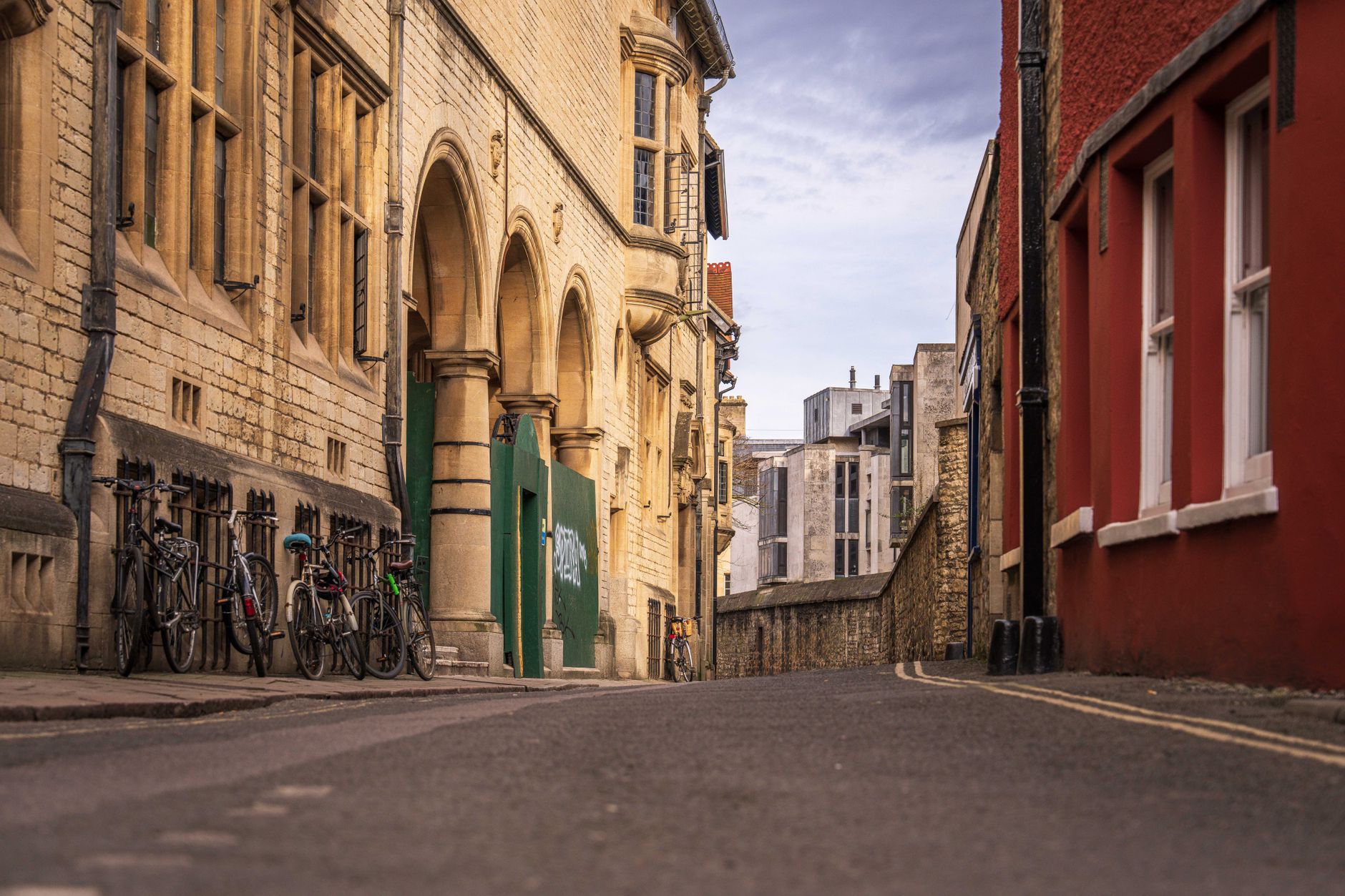
Oxford is at its busiest during Trinity term (late April to mid-June), when exam-stressed students and tourists collide and college opening hours shrink to an hour or two a day. Christ Church shuts to visitors most Sunday mornings for chapel services, and several colleges close entirely during exam fortnight in May. Aim for a weekday in October, November or February instead — the colleges are calmer, lunch queues are shorter, and the golden stone photographs just as well under grey skies. May Morning, 1 May, is worth seeing once but book the earliest train you can, since the city is heaving by 6am and the pubs open at dawn.
December brings Christmas markets to Broad Street and shorter daylight, so aim to arrive by mid-morning if you want to see the colleges before dusk closes them around 4.30pm. Summer weekends between July and September suit a first visit if crowds don't bother you, since every college and museum is open full hours and punting season is in full swing. Whatever month, avoid arriving after 11am on a Saturday if Christ Church or the Bodleian tour are on your list — both sell out their timed slots by mid-morning in peak season.
Getting around once you're there
Oxford's centre is smaller than it looks on a map — Christ Church to the Ashmolean is an 8-minute walk, and nothing central is more than 20 minutes on foot. There's no need for a bus once you're off the train; save the £2.20 city bus fare and walk instead, since traffic on the High Street often moves slower than pedestrians anyway. If your legs need a rest, the benches in Radcliffe Square or the grass at Christ Church Meadow are free and usually have space outside peak lunchtime.
Cycling is popular locally but renting a bike for a single afternoon rarely pays off once you've factored in the deposit and return logistics — better to walk and spend the saved time in a museum. If you're travelling with luggage, left-luggage lockers at Oxford station cost around £6-10 for the day, useful if you're going straight on somewhere else afterwards rather than back to Reading. Uber and local taxis operate but are rarely faster than walking within the old city walls.
Staying over in Reading
Because Oxford is a straightforward add-on to a Reading stay rather than a destination that needs its own overnight, most visitors base themselves in Reading and treat this as a single long day. If you want an early start, staying centrally the night before saves faffing with the first train: the Hilton Reading Hotel and Malmaison Reading are both a 5-10 minute walk from the station, with rooms from around £90-120 a night depending on the date. Premier Inn Reading Central is the budget version of the same location, usually £60-80 a night.
voco Reading and Village Hotel Reading both sit a short taxi ride from the station rather than walking distance, better suited if you're driving in and want parking included. None of this is necessary if you're coming from further afield in Berkshire already — the point of this trip is that Oxford is close enough from Reading that an overnight rarely earns its cost. Save the hotel budget for a nicer lunch in Oxford instead, and just catch the early train.
Questions, answered
How long does the train take from Reading to Oxford?
25-30 minutes on GWR direct services, 3-4 an hour.
How much is the train?
Around £14 off-peak day return; £24 at peak morning times.
Do I need to book Oxford colleges in advance?
Christ Church yes, especially in summer. The Bodleian tour also books out — reserve online 1-2 weeks ahead.
Is Oxford walkable from the station?
Yes, everything central is within 15 minutes on foot.
Is Oxford doable without booking anything in advance?
Yes, if you're happy skipping Christ Church and the Bodleian tour on a busy day. The Ashmolean Museum, the University Church tower, Radcliffe Square and the Covered Market all take walk-ups with no booking needed. In quieter months (October to February, outside half-term) you can often walk into Christ Church too, but summer weekends are the exception. Book ahead only for the specific big-ticket items, and wing the rest.
What's the best plan if I only have 3 hours?
Walk from the station to Radcliffe Square, climb the University Church tower for the view, then spend the rest of the time in the Ashmolean or wandering Christ Church Meadow. Skip Christ Church College itself unless you've pre-booked, since queuing eats the time you don't have. This route covers the postcard version of Oxford in under three hours including the walk back to the station.
Doing good is the business: every booking through Stay Reading funds one verified tonne of carbon removal — same room, same price, no markup.
Start your search