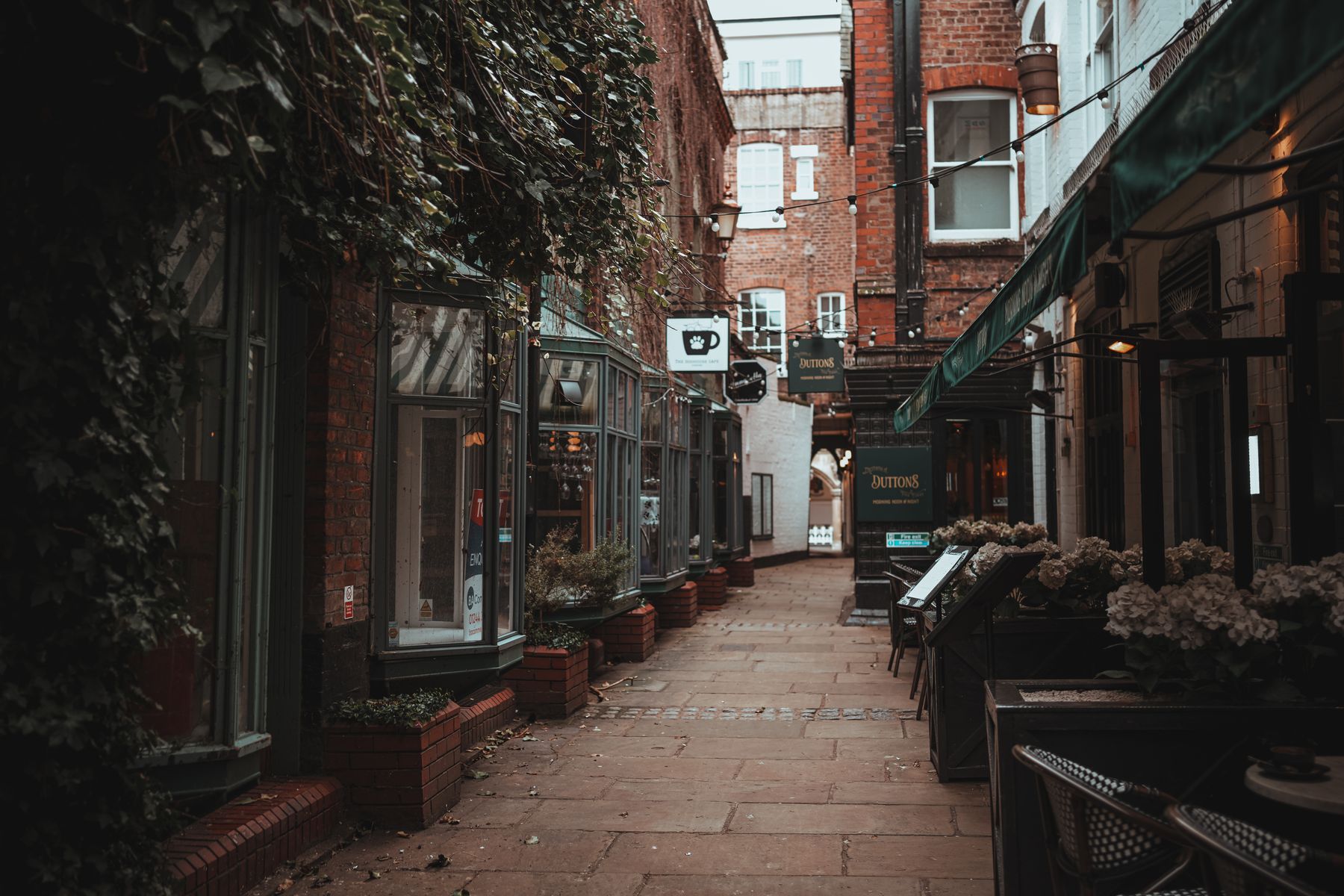
The Station Hill and Friar Street Cluster
Most town-centre hotels sit within a ten-minute walk of Reading station, either along Station Hill, Friar Street or the Oracle side of town. For breakfast, you are spoiled: the independent cafes on Cross Street and Union Street open from around 7.30am, serving porridge, pastries and proper coffee for under a tenner. If your hotel rate excludes breakfast, skip the £15 hotel buffet and walk five minutes to one of these. The area around St Mary's Butts also has a couple of greasy spoon-style places that do a full English for around £8.
Lunch is where the town centre really performs. The Oracle shopping centre has a food court on the riverside level, but you will eat better for similar money at the small operators on Butter Market and Chain Street. A sandwich and salad from the delis on Duke Street will cost £6–£9. If you are between meetings, the M&S Foodhall on Broad Street is reliable for a takeaway salad box. Avoid the chain restaurants immediately outside the station between noon and 1.30pm; they fill with commuters and service slows noticeably.
Evening Eating: Reading's Best Streets
For dinner, head to Friar Street and its side roads. You will find a cluster of independent Italians, Thai places and modern British bistros in the £12–£20 mains bracket. The area around Smelly Alley (Union Street) has a handful of long-established restaurants that locals rate highly. If you want something more casual, the pubs on Broad Street and Market Place serve decent burgers and pies from about £10. Book ahead on Friday and Saturday evenings; the best places fill by 7pm because of the town's theatre and concert traffic.
If you are staying near the Oracle, the riverside walk towards Caversham Bridge has a few chains with outdoor tables. They are fine for a midweek meal but get crowded and pricey at weekends. For a special occasion, the independent restaurants on Castle Street and St Mary's Butts offer better value and more character. Most kitchens close by 9.30pm on Sundays, so plan accordingly. The Reading Buses purple route 17 stops near Friar Street and runs until around 11pm, useful if your hotel is on the edge of the centre.
Practical Notes for Hotel Guests
Walking is almost always faster than driving in the town centre. The one-way system around Forbury Road and the IDR is slow, and parking costs £2–£4 per hour in most council car parks. If you are driving to a restaurant, the Oracle and Chatham Place car parks are the most convenient, but you will pay around £6 for two hours. Many town-centre hotels offer discounted parking; ask at reception before you move the car. The best months for al fresco eating are May to September, though July and August can be busy with tourists.
For a quick bite before a train, the station concourse has a small selection of takeaway outlets, but the quality is mediocre. Walk two minutes to the parade of shops on Station Road instead. If you are heading to the Madejski Stadium for football or rugby, most town-centre pubs run match-day food specials from around £9. Otherwise, the area around Reading Minster and the Forbury Gardens is pleasant for a picnic lunch from the nearby supermarkets. Note that many independent places close on Mondays.
Which Area to Choose for Your Hotel
If eating out is a priority, book a hotel in the Friar Street or Station Hill area rather than the business parks off the M4. You will have 30–40 restaurants within a ten-minute walk, versus a handful of chain pubs near the motorway junctions. The town centre also gives you easy access to the Oracle's riverside restaurants and the independent scene around Smelly Alley. Prices for mid-range hotels in this zone typically run £70–£120 per night, depending on the day of the week and how far ahead you book.
Avoid hotels on the Bath Road or Oxford Road if you want to walk to dinner; those areas are residential and you will rely on buses or taxis. The 17 and 21 bus routes run every 10–15 minutes into town until late, but a return taxi costs £8–£12. For a two-night stay, the convenience of the town centre outweighs the slightly higher room rate. If you are visiting between November and February, check that your chosen restaurant opens on Mondays and Tuesdays, as several close early in the week.
Questions, answered
What is the best area to stay in Reading for restaurants?
Friar Street and Station Hill put you within a ten-minute walk of 30–40 restaurants, from independents on Smelly Alley to riverside chains at the Oracle. Hotels here cost £70–£120 per night on average.
Are there good cheap eats near Reading station?
Yes. Cross Street and Union Street have cafes doing breakfast for under £10, while delis on Duke Street sell sandwiches for £6–£9. Avoid the station concourse outlets if you want better quality.
Do I need to book restaurants in Reading town centre?
For Friday and Saturday evenings, yes. The best independent places on Friar Street and Castle Street fill by 7pm. Midweek, you can usually walk in, but check opening days as some close on Mondays.
Doing good is the business: every booking through Stay Reading funds one verified tonne of carbon removal — same room, same price, no markup.
Start your search