Neighbourhood picks
Reading After Rain: Walking the Kennet and Thames Paths When the Weather Turns
What actually happens to the towpaths, riverside meadows and canal locks around Reading after heavy rain — and how to plan a dry-footed day.
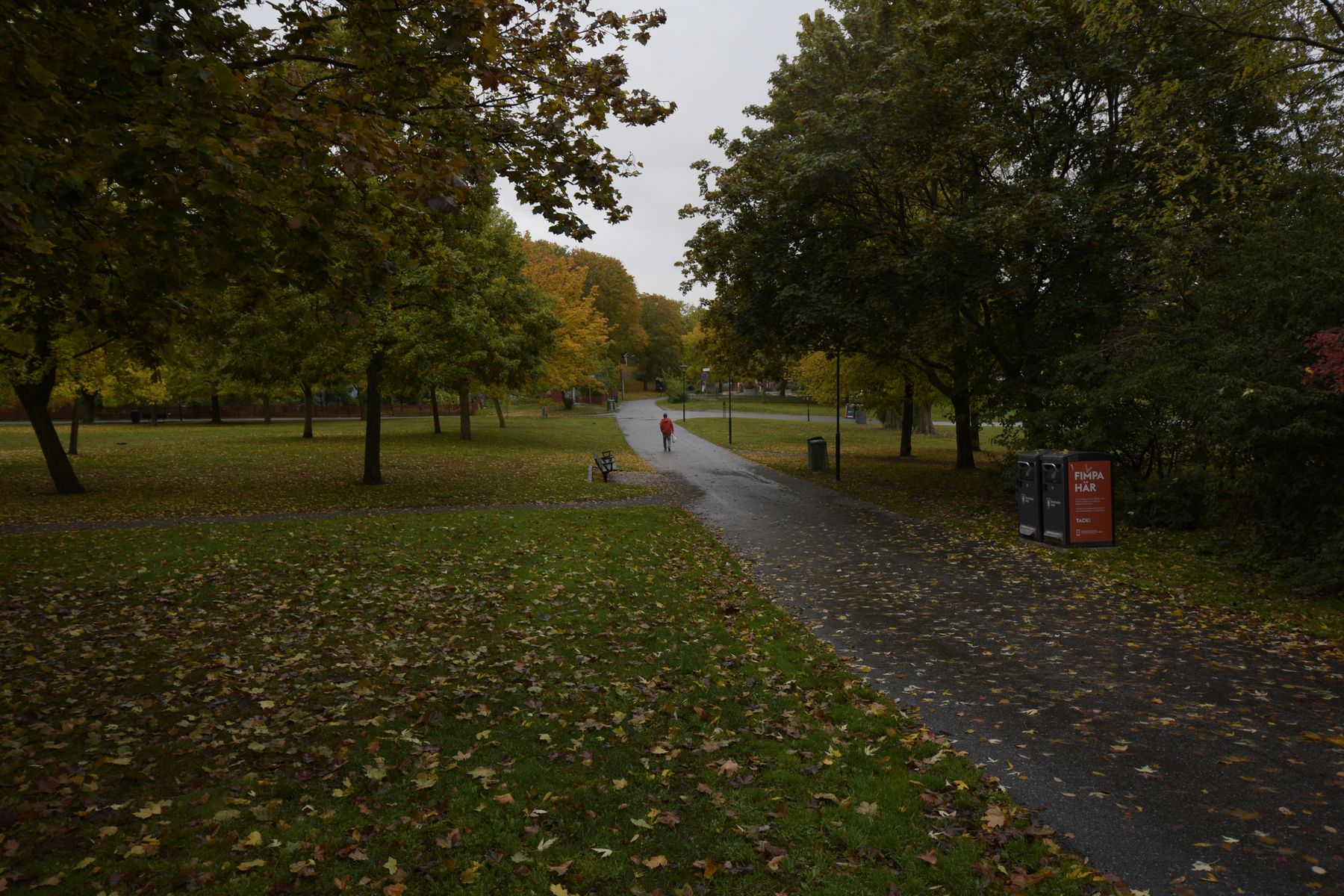
Which Paths Cope and Which Ones Flood
The Kennet and Avon Canal through Reading is largely embanked, so the towpath between Blakes Lock and Fobney Lock usually drains within a day of rain stopping — the gravel surface is gritty but passable in trainers. The bigger problem is the Thames-side meadows east of Caversham Lock, where the water table sits high and standing puddles linger for days. If it has rained hard in the previous 48 hours, I would choose the canal every time and leave the Thames meadows for a drier week.
The stretch through the Oracle riverside is paved and rarely floods, which makes it the reliable fallback. From there west toward Reading West station the towpath narrows and collects water at the low points under the bridges, so expect to step around shallow pools. Cycling is technically permitted on the canal towpath but after rain the rutted sections near Southcote Mill make it slow going; walkers will overtake you.
The Thames Path Between Caversham and Sonning
The Thames Path from Caversham Bridge east to Sonning is one of the loveliest short walks in the area — roughly 5 kilometres each way, flat, and passing the islands at piped water and the wide bend near Shiplake. But the section immediately upstream of Caversham Lock is the first to hold water, and after sustained rain the grass verge becomes a mud channel. The paved alternative is to cross Caversham Bridge and follow the Reading-side bank through Christchurch Meadows, which stays firmer.
Best months for this route are May, June and September: the ground is dry, the riverside pubs at Sonning have their gardens open, and the light lasts. July and August bring hire boats and more foot traffic on the narrowest parts. In winter the path is walkable but the muddy stretches near Shiplake are genuinely slippery, so boots rather than trail shoes. I would book a hotel near Caversham Bridge if this walk is the priority — you can start it from your door without touching a bus.
Getting Around and Where to Base Yourself
Reading station is the obvious anchor: fast trains to London Paddington, and the canal towpath starts a ten-minute walk away at Blakes Lock. Hotels clustered around the station and Forbury Gardens put you within reach of both the Kennet and the Thames without a car. If you are driving, the Oracle car parks flood their lowest levels in exceptional weather — check before leaving a car overnight, and prefer the multi-storey at Chatham Place.
For the river walks specifically, Caversham is the better base. The Crowne Plaza and the smaller guesthouses along the Henley road put Caversham Bridge, Christchurch Meadows and the start of the Thames Path within a few minutes on foot. Reading town centre hotels are fine for the canal and the Abbey ruins, but you will cross the bridge each morning. For a two-night trip combining both paths, I would book Caversham and walk into town along the river.
What to Skip and What to Bring
Skip the gravel loop around the lakes at Dinton Pastures for at least three days after heavy rain — the low-lying sections near the sailing club hold water and the paths become genuinely unpleasant. Also skip the riverside stretch west of Tilehurst station, where the bank is steep and muddy and there is no easy exit until Purley. Neither is worth the frustration when the canal offers a cleaner alternative on the same day.
Bring footwear with grip, not fashion trainers. The Kennet towpath's wet gravel is the main hazard, and the lock gates at Fobney and Southcote have metal edges that get slick. A light waterproof is more useful than an umbrella on the exposed Thames meadows, where wind funnels along the river. Allow roughly two hours for the canal walk to Fobney and back, and three to four hours for Caversham to Sonning and return, including a stop.
Questions, answered
Are the Reading towpaths open after heavy rain?
The Kennet and Avon Canal towpath in Reading is usually passable within a day of rain stopping. The Thames-side meadows east of Caversham Lock hold water longer, so check conditions locally before committing to a long river walk.
Where should I stay in Reading to walk the river paths?
Caversham is the best base for the Thames Path, with Caversham Bridge and Christchurch Meadows minutes away on foot. For the canal, hotels around Reading station and Forbury Gardens are closer to Blakes Lock.
What is the best time of year for these walks?
May, June and September offer the driest ground and longest light. July and August are busier with hire boats on the narrow sections, while winter paths are walkable but muddy and slippery near Shiplake and Tilehurst.
Doing good is the business: every booking through Stay Reading funds one verified tonne of carbon removal — same room, same price, no markup.
Start your search