Day trips & escapes
Day Trips from Reading: Hidden Gems Within an Hour in 2026
Reading's railway connections and M4 corridor position unlock weekend escapes to Saxon hillforts, Thames-side market towns and chalk valleys that most visitors to Berkshire never see.
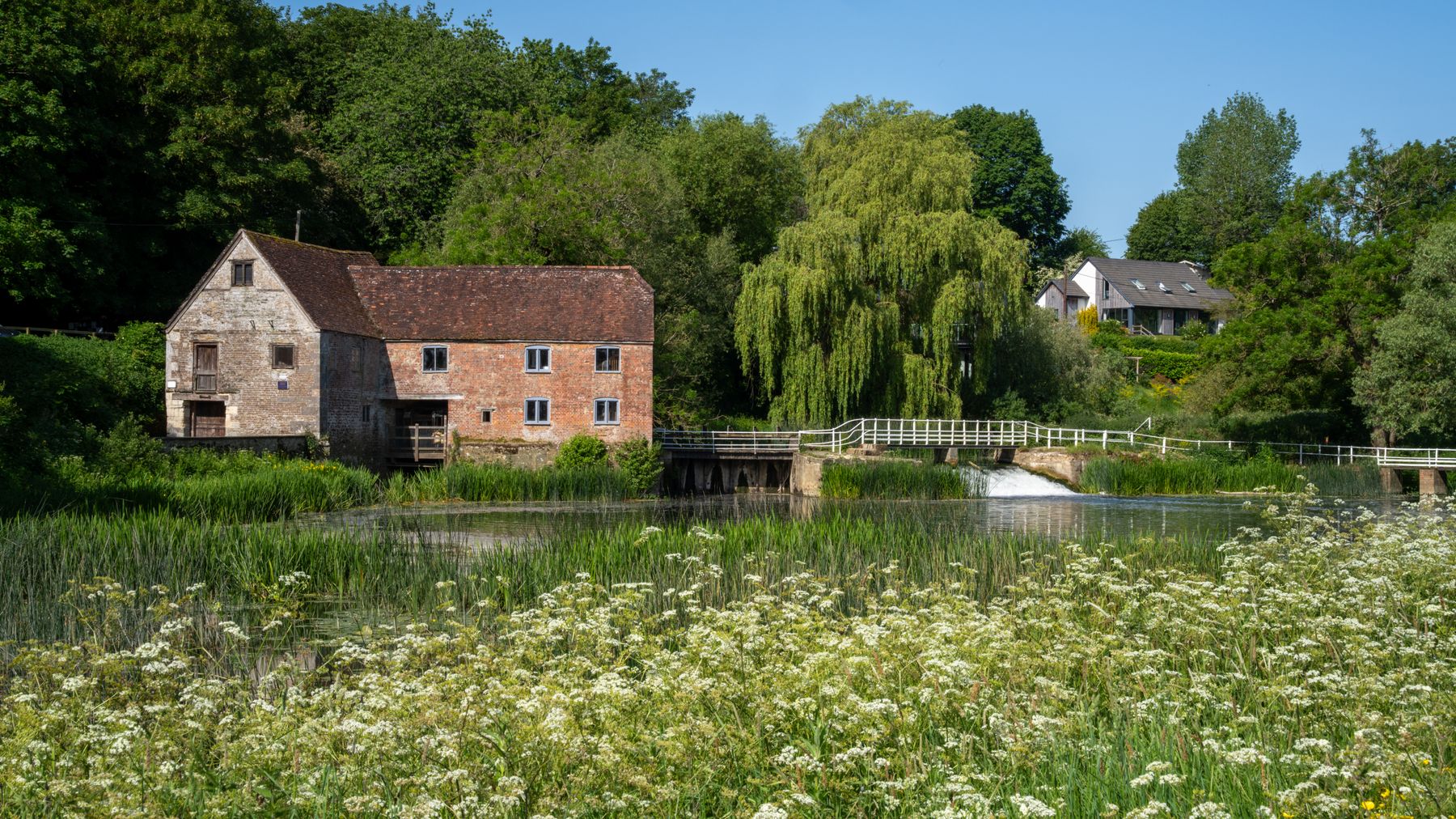
Why Reading makes the perfect base for exploring the Thames Valley
Reading sits at the confluence of the Thames and Kennet rivers, with three railway stations offering direct services west to Bath, north to Oxford and east into central London in under thirty minutes. The town's hotel stock clusters around Caversham Bridge and the Oracle shopping district, putting you fifteen minutes' walk from Reading station's frequent departures to Henley-on-Thames, Goring-on-Thames and Pangbourne. Book a Friday or Saturday night in Reading and you can tackle two day trips without repacking, using the town's Travelodge, Premier Inn or independent options along Friar Street as your staging post for Thames Path walks, Chilterns vineyard tours and market-town antiques crawls that fill a weekend without requiring a car.
The M4 corridor means driving west reaches Marlborough in forty minutes, while the A4074 cuts north through the Chilterns to Wallingford in twenty-five minutes. Reading's multi-storey car parks charge around £12 for twenty-four hours, but most day trips work better by train—the Abbey Line reaches Didcot Parkway in eleven minutes, connecting to the Cotswold Line for Kingham and Charlbury. Spring and early autumn deliver the best weather for chalk-downland walking, though winter weekends suit the covered markets in Newbury and the narrowboat museums along the Kennet & Avon Canal. I'd avoid August bank holiday when Thames-side villages like Pangbourne and Goring fill with rowers and day-trippers from London, pushing pub wait times past an hour.
Goring-on-Thames and the Ridgeway National Trail
Goring station sits eleven minutes west of Reading on the Great Western Railway line to Didcot, depositing you beside the Thames Path and the southern terminus of the Ridgeway National Trail. The village straddles the river opposite Streatley, linked by a stone bridge that marks where the Chilterns meet the Berkshire Downs. The Ridgeway climbs north from Streatley High Street, rising through beech woodland to Thurle Down and the Iron Age earthworks at Lough Down, a four-mile loop that returns via the Thames Path through water-meadows grazed by Hereford cattle. The Miller of Mansfield gastropub on Goring High Street does a decent line in Sunday roasts, though the garden fills by noon in fine weather—arrive before eleven-thirty or book ahead.
The chalk downland around Goring turns brilliant green in May when hawthorn hedges bloom, and the beechwoods above Streatley show autumn colour from late October through mid-November. OS Explorer map 170 covers the routes, but the Ridgeway's white acorn waymarks are clear enough for navigation without it. Buses run sporadically between Reading and Goring, so the train is your reliable option—services depart Reading every thirty minutes throughout the day, with the last return around 23:00 on weekdays. If you're staying in Reading and want an afternoon escape, the 13:22 departure gives you three hours of walking and an hour in the pub before the 18:03 back. I'd skip the National Trust's Lardon Chase viewpoint on summer weekends when the narrow car park attracts coaches; the Ridgeway offers better views with a fraction of the crowd.
Wallingford's Saxon streets and the Cholsey & Wallingford Railway
Wallingford occupies a loop of the Thames twenty-three minutes north of Reading via the A4074, though the drive through Woodcote and the Chilterns villages adds charm the direct route lacks. The town's Saxon street grid survives intact around the market square, where independent shops occupy medieval coaching inns and Georgian frontages. Wallingford Castle's earthworks rise behind St Mary's Church—only the motte and bailey ditches remain after Cromwell's engineers demolished the keep in 1652, but the ramparts offer views across water-meadows to the Wittenham Clumps, twin beech-crowned hills visible for miles across Oxfordshire. The Cholsey & Wallingford Railway runs vintage diesel trains two miles south to Cholsey station on summer Sundays, connecting to the main-line service back to Reading if you time it right.
Market day falls on Friday, when stallholders fill the square with Chilterns cheeses, Watlington vegetables and second-hand books that spill from the covered arcade. The Coachmakers Arms on St Mary's Street keeps five real ales and serves bar snacks until 21:00, though the upstairs restaurant needs booking on weekends. Parking costs £1.50 per hour in the Goldsmith's Lane car park, but the riverside meadows offer free spaces if you're willing to walk ten minutes. Spring arrives early in the Thames valley—daffodils carpet the castle grounds by late February, and the riverside walks stay passable through winter unless the Thames floods, which typically happens once or twice between December and February. I'd visit Wallingford on a Friday to catch the market, then drive fifteen minutes west to Blewbury for lunch at the Barley Mow, a thatched pub that's served beer since the fourteenth century and still draws locals rather than coach parties.
Henley-on-Thames beyond the Royal Regatta
Henley station sits twenty-two minutes northeast of Reading on the branch line through Twyford, emerging beside the River Thames where Georgian townhouses climb Hart Street toward the Market Place. The Royal Regatta consumes the town for five days each July, but outside that first week the riverfront belongs to walkers tackling the Thames Path and rowers from Leander Club sculling past Temple Island. The five-arched bridge dates to 1786, rebuilt after the medieval crossing collapsed, and marks the finish line for the regatta course. Walk north from the bridge along the Berkshire bank for three miles to Hambleden Lock, where the weir pool attracts pike fishermen and the towpath cuts through beech woodland that glows copper in October and November.
Henley's independent shops cluster along Bell Street and Duke Street—the Old Bell bookshop stocks Chilterns walking guides and Ordnance Survey maps, while Hart Street Deli assembles picnic boxes if you're planning a river walk. The Angel on the Bridge occupies the prime riverside site and charges accordingly, but the Three Tuns on Market Place offers better value and a quieter atmosphere for a post-walk pint. Trains back to Reading depart hourly until 23:00 on weekdays, half-hourly on Sundays. Parking at Mill Meadows costs £2 per hour, though the car park fills during school holidays and summer weekends. I'd visit Henley on a weekday in May or September when the regatta crowds have dispersed—the riverside walks are identical but you'll find tables at riverside pubs without booking, and the train back to Reading won't be standing-room-only with London commuters.
Newbury Racecourse and the Kennet & Avon Canal
Newbury lies seventeen minutes west of Reading on the Great Western main line, a market town where Jacobean cloth-merchant halls front the Kennet & Avon Canal and National Hunt racing draws crowds to the racecourse from October through April. The canal towpath runs thirty-five miles from Reading to Devizes, but the Newbury section passes through open farmland west of the town before climbing the Crofton flight of locks toward the Savernake Forest. Rent a bicycle from Newbury Cycles on Northbrook Street for £18 per day and you can ride west to Kintbury in ninety minutes, stopping at the Dundas Arms for lunch before looping back via the parallel railway path. The West Berkshire Museum on Wharf Street chronicles the Civil War battles fought around Newbury in 1643 and 1644, displaying pike heads and musket balls dug from the common where Royalist and Parliamentary forces clashed twice in eighteen months.
Race days transform Newbury—check the fixture list before visiting because hotel prices across Berkshire spike when Cheltenham Gold Cup trials run in January and February. The Kennet towpath stays navigable year-round, though November and December bring mud that makes walking boots essential. Northbrook Street's independent shops include a traditional ironmonger and a cheese merchant stocking Wigmore from Berkshire, Waterloo from Riseley and Oxford Blue from the city thirty miles north. The Lock Stock & Barrel beside Town Bridge keeps six real ales and welcomes walkers in muddy boots, a rarity among Newbury's newer wine bars. If you're driving from Reading, take the A4 rather than the M4—the toll-free route adds ten minutes but passes through Woolhampton and Thatcham, villages the motorway bypasses. I'd combine Newbury with a stop in Kintbury or Hungerford, both twenty minutes further west and offering quieter canal walks without Newbury's weekend crowds.
Dorchester-on-Thames and the Dyke Hills
Dorchester occupies the confluence of the Thames and Thame rivers twelve miles north of Reading, reached via the A4074 through Shillingford in thirty minutes. The village's Saxon abbey church contains medieval stained glass that survived Cromwell's iconoclasts, including the Tree of Jesse window that traces Christ's genealogy in fourteenth-century glass. The Dyke Hills earthwork rises south of the village, an Iron Age promontory fort that encloses sixty acres between the two rivers—the defensive ditches still stand two metres deep, and the rampart walk offers views across the Thames floodplain to the Wittenham Clumps and Sinodun Hills. The George Hotel opposite the abbey serves lunch in a coaching inn that's fed travellers since 1495, though the restaurant books solid on Sundays when Oxford families drive out for roast beef and Yorkshire pudding.
Parking in Dorchester is free along Bridge End and the High Street, though spaces fill by noon on summer weekends when walkers tackle the Thames Path section to Shillingford. The Dyke Hills walk takes ninety minutes at a gentle pace, following the ramparts through grazed meadows where cattle ignore the footpath and lapwings nest in spring. May brings hawthorn blossom to the hedgerows, while September delivers blackberries along the sunnier stretches. The White Hart on High Street keeps three real ales and allows dogs in the bar, useful if you're combining the walk with lunch. I'd visit Dorchester on a weekday when the abbey opens for quiet contemplation rather than competing with coach tours—the Tree of Jesse window deserves twenty minutes of study, not the five-minute dash most visitors manage. Combine Dorchester with Wallingford nine miles north for a full day out, using the minor roads through Benson and Crowmarsh Gifford rather than retracing the A4074 back to Reading.
Questions, answered
Which day trip from Reading works best without a car?
Goring-on-Thames and Henley-on-Thames both sit on direct train lines from Reading, with services every thirty minutes taking eleven and twenty-two minutes respectively. Goring offers immediate access to the Ridgeway National Trail and Thames Path, while Henley provides better shopping and dining options alongside riverside walks. Newbury also works well by train, seventeen minutes west on the Great Western main line.
When should I avoid visiting Thames-side villages near Reading?
Henley Royal Regatta runs for five days in early July, quintupling accommodation prices and filling riverside pubs to capacity. August bank holiday weekends bring London day-trippers to Goring, Pangbourne and Mapledurham, while Newbury's race fixtures in January and February push hotel rates up across Berkshire. Weekday visits in May, September or October deliver better weather and fewer crowds than summer weekends.
Can I walk the Ridgeway from Reading in a day?
The Ridgeway's southern terminus sits at Overton Hill near Avebury, eighty-seven miles from its northern end at Ivinghoe Beacon. From Reading, take the train to Goring-on-Thames where the trail crosses the Thames, then walk north through the Chilterns to Watlington or Princes Risborough—both sections offer twelve to eighteen-mile routes returning via train to Reading through Oxford or High Wycombe.
What's the best season for day trips from Reading?
Late April through June brings wildflowers to the chalk downlands around Goring and Dorchester, while September and October deliver autumn colour in the Chilterns beechwoods without summer's crowds. Winter suits canal walks along the Kennet & Avon and museum visits in Newbury, though Thames floodplain paths around Dorchester become impassable after heavy rain between December and February.
How much should I budget for a day trip from Reading?
Train fares from Reading to Goring, Henley or Newbury cost £6-9 return with a railcard, while driving costs £3-5 in fuel plus parking fees of £1.50-3 per hour in market towns. Pub lunches run £12-18 for a main course, while museum entry rarely exceeds £5. A car-free day trip using trains and walking costs £20-30 including lunch and a pint, rising to £40-50 if you add attraction entry fees or bicycle rental.
Doing good is the business: every booking through Stay Reading funds one verified tonne of carbon removal — same room, same price, no markup.
Start your search